NeedBe Reusable Pads
Combating period poverty with sustainable, reusable alternatives.
The Hidden Danger: Transactional Sex for Sanitary Products
As revealed in our 2021 impact reports: "Most of the girls can't afford to buy sanitary pads because they're expensive and as a result men take advantage of them." This statement, shared by a participant in our Savelugu workshop, illuminates a dark reality that few discuss openly but many girls experience.
Our research found that 1 in 4 girls in rural areas has engaged in transactional relationships—exchanging sex for money, gifts, or directly for sanitary products. These relationships are inherently exploitative, with power imbalances that put girls at risk of coercion, abuse, sexually transmitted infections, and unwanted pregnancy. A 15-year-old girl should never have to choose between her dignity and her health, yet this is the impossible decision many face monthly.
The transactional sex dynamic is particularly insidious because it is normalized within communities. Girls who engage in these exchanges are rarely recognized as victims; instead, they may be stigmatized as "promiscuous" while the men face no consequences. This victim-blaming further silences girls, preventing them from seeking help or reporting abuse. By providing sustainable, affordable menstrual products, NeedBe Reusable Pads directly disrupt this dangerous economy, giving girls an alternative that protects both their health and their dignity.
NeedBe Reusable Pads: A Comprehensive Solution
NeedBe Reusable Pads tackle these interconnected challenges through a holistic approach that combines product innovation, economic accessibility, and community education. Formerly known as Obaa Pads — "Obaa" means "Woman" in Twi/Akan — they reflect our commitment to creating solutions designed by and for Ghanaian women.
Design Philosophy and Engineering Excellence
Our pads are expertly engineered using high-quality, ultra-absorbent, and breathable textiles designed to mimic the comfort of premium disposable pads without the environmental toll or recurring monthly costs. The design process involved extensive consultation with users, healthcare professionals, and textile engineers to create a product that meets Ghanaian girls' specific needs.
Layer-by-Layer Innovation:
The 4-layer protection system represents years of refinement and testing:
Layer 1: Premium Organic Cotton Top The top layer that contacts the skin is made from 100% certified organic cotton, sourced from sustainable farms in West Africa. Unlike synthetic materials that can cause irritation and allergic reactions, organic cotton is naturally hypoallergenic and gentle on sensitive skin. The cotton undergoes a special brushing process that creates an ultra-soft surface, ensuring comfort even during long school days. This layer wicks moisture away from the body, keeping users feeling dry and comfortable.
Layer 2: Bamboo Charcoal Absorbent Core The core of the pad uses a revolutionary bamboo charcoal fiber blend that provides exceptional absorbency while naturally neutralizing odors. Bamboo charcoal has been used in traditional Asian medicine for centuries due to its antibacterial properties and ability to absorb toxins. In our pads, this material can hold up to 4 times its weight in liquid, providing 6-8 hours of protection depending on flow. The charcoal naturally prevents the growth of bacteria that cause odors, eliminating the embarrassment many girls fear.
Layer 3: Waterproof PUL Backing The third layer consists of polyurethane laminate (PUL), a breathable yet waterproof material that prevents leaks without the plastic feel of disposable pads. This layer has microscopic pores that allow air to circulate—preventing the sweaty, uncomfortable feeling common with synthetic pads—while blocking liquid from passing through. The PUL is heat-bonded rather than chemically treated, making it safer for both users and the environment.
Layer 4: Secure Wing System The wings use a snap-button closure system (no Velcro that can wear out or adhesive that can fail) that keeps the pad securely in place even during active movement. The wings wrap around underwear and fasten underneath, providing leak protection from side-to-side movement. The snaps are made from nickel-free metal to prevent allergic reactions.
Size Range for Every Need
We recognize that menstruation varies significantly between individuals and even from month to month for the same person. Our size range accommodates this diversity:
Regular (240mm): Ideal for light to medium flow days, the regular size offers discreet protection that feels barely there. This is the size most girls start with when transitioning from disposable pads.
Heavy Flow (300mm): For heavier days or overnight use, the heavy flow size provides extended coverage and increased absorbency. The extra length prevents back-leakage that can occur when lying down.
Overnight (350mm): Our largest size provides maximum protection for worry-free sleep. The extra-wide back and extended length ensure complete coverage regardless of sleeping position.
Each pad set we distribute includes 2 Regular, 2 Heavy Flow, and 1 Overnight pad, providing a complete cycle's worth of protection that can be rotated and washed as needed.
Quality Assurance and Testing
Every NeedBe pad undergoes rigorous quality testing before distribution:
- ■Absorbency testing: Each batch is tested to ensure it meets our minimum absorbency standards
- ■Durability testing: Pads are machine-washed 150+ times to verify longevity claims
- ■Skin sensitivity testing: Materials are tested for irritants and allergens
- ■User field testing: Samples are distributed to users for real-world feedback before full production
Comprehensive Benefits: Beyond the Product
The impact of NeedBe Reusable Pads extends far beyond providing menstrual products. The program creates cascading benefits across health, education, economics, and the environment.
Health Impact: Dignity Through Hygiene
Reproductive Tract Infection Prevention: By eliminating the use of unhygienic alternatives, NeedBe Reusable Pads significantly reduce the risk of RTIs. Our 2022 follow-up study found that girls using NeedBe Reusable Pads reported 65% fewer genital infections compared to those using traditional cloth or paper materials. The breathable, moisture-wicking design also reduces the risk of yeast infections and skin irritations common with plastic-based disposable pads.
Mental Health and Self-Esteem: The psychological impact of having reliable protection cannot be overstated. Girls using NeedBe Reusable Pads report feeling "confident," "prepared," and "normal" during their periods. This mental shift translates into better academic performance, stronger social relationships, and healthier body image. Teachers in our partner schools consistently report that girls using NeedBe Reusable Pads are more participative in class and more engaged in extracurricular activities.
Dignity and Autonomy: Perhaps most importantly, NeedBe Reusable Pads restore dignity to menstruation. Girls no longer have to hide, miss activities, or feel ashamed. They can swim, play sports, attend social events, and live fully throughout their cycles. This autonomy is fundamental to gender equality—girls should not have to plan their lives around their biology.
Educational Impact: Keeping Girls in School
Attendance and Performance: Schools participating in our NeedBe Pad distribution program report remarkable improvements in attendance and academic performance. At Adaklu Waya SHS, average attendance among participating girls increased by 18% in the first year of the program. Test scores improved correspondingly, with participating girls scoring an average of 12% higher on end-of-term exams compared to the previous year.
Confidence in the Classroom: Teachers report that girls with reliable menstrual protection are more likely to participate in class discussions, ask questions, and engage in group activities. The constant worry about leaks or odors that previously distracted these students is eliminated, allowing them to focus entirely on learning.
Breaking the Dropout Cycle: Perhaps most significantly, our longitudinal tracking shows that girls who receive NeedBe Reusable Pads are 40% less likely to drop out of school compared to peers without access. By removing menstruation as a barrier to education, we are helping ensure that girls complete their schooling and open doors to higher education and professional careers.
Economic Impact: Transforming Household Finances
Direct Cost Savings: For families struggling to make ends meet, the savings from switching to NeedBe Reusable Pads can be transformative. Consider the economics for a typical family with two menstruating daughters:
Disposable Pad Costs (Annual):
- ■2 girls × GHS 20/month × 12 months = GHS 480/year
- ■Over 3 years: GHS 1,440
NeedBe Reusable Pad Costs:
- ■Initial investment: GHS 140 (complete set for both girls)
- ■Washing supplies (detergent, etc.): GHS 10/year × 3 years = GHS 30
- ■Total 3-year cost: GHS 170
Total Savings: GHS 1,270 over 3 years
This represents a 88% reduction in menstrual product costs. For families living on less than GHS 1,000 per month, these savings can mean the difference between affording school fees, medical care, or nutritious food.
Economic Ripple Effects: The savings extend beyond direct product costs. Girls who stay in school have better employment prospects as adults. Women who complete secondary education earn significantly more over their lifetimes, creating upward economic mobility for entire families. The United Nations estimates that investing in girls' education yields a 1:7 return in economic growth, meaning every cedi invested in keeping girls in school generates seven cedis in economic value.
Environmental Impact: Sustainability for Ghana's Future
Plastic Waste Reduction: Each disposable pad contains the equivalent of four plastic bags in material. With a typical girl using 15-20 pads per cycle, this translates to approximately 240-320 plastic bags worth of waste annually. Over the 35+ years of a woman's menstruating life, this creates a mountain of plastic waste that will persist in landfills for centuries.
In contrast, one set of NeedBe Reusable Pads replaces approximately 1,200 disposable pads over their 3-year lifespan. With over 5,000 girls using our pads, we have prevented an estimated 6 million disposable pads from entering Ghana's waste stream—that's 24 million plastic bags worth of waste diverted from landfills.
Carbon Footprint: The production and transportation of disposable pads generates significant carbon emissions. NeedBe Reusable Pads are manufactured locally in Ghana, supporting local employment while eliminating the carbon cost of international shipping. The 3-year lifespan means one production cycle replaces multiple years of disposable manufacturing, further reducing the carbon footprint.
Water and Energy Efficiency: While washing reusable pads does require water and energy, life-cycle analysis shows that the total environmental impact is still significantly lower than disposables. The water used to wash NeedBe Reusable Pads over three years is approximately 15% of the water used in manufacturing the equivalent number of disposable pads. When washed in full loads with other laundry, the additional water and energy use is minimal.
Soil Health and Agriculture: When disposed pads break down (over hundreds of years), they release microplastics and chemical absorbents into the soil, potentially affecting agricultural productivity. Reusable pads eliminate this long-term soil contamination, protecting Ghana's agricultural sector for future generations.
Manufacturing and Employment: Building Local Capacity
The NeedBe Reusable Pads project is committed not just to distributing products but to building Ghana's manufacturing capacity. Our production facility in Ho, Volta Region, employs 12 women full-time and provides piece-work opportunities for an additional 20 women from the community.
Skills Development: Our employees receive comprehensive training in textile manufacturing, quality control, and business management. Several former employees have gone on to start their own small businesses using skills learned at our facility. We partner with local technical schools to offer internships and apprenticeships, contributing to Ghana's technical workforce development.
Ethical Employment: All NeedBe Pad employees receive fair wages (above the national minimum wage), health insurance, paid maternity leave, and a safe working environment. We believe that empowering women through employment is as important as empowering them through our products.
Local Supply Chain: Wherever possible, we source materials from Ghanaian suppliers. Our organic cotton comes from farms in the Northern Region participating in sustainable agriculture programs. The bamboo charcoal is produced locally using agricultural waste. This local supply chain reduces costs, supports Ghanaian businesses, and ensures that economic benefits circulate within the communities we serve.
Real Stories, Real Impact
Abena's Journey: From Shame to Confidence
Abena, 16, lives in Tamale with her grandmother and three younger siblings. Her parents work in Accra and send money when they can, but it's rarely enough. When Abena started menstruating at 13, her grandmother gave her old cloths to use. "They would leak through my uniform," Abena recalls. "I stopped going to school during my period because I was so ashamed. I would miss 3-4 days every month."
The absences took their toll. Abena's grades dropped, and she fell behind her classmates. She considered dropping out entirely. "I thought I wasn't smart enough for school. I didn't realize it was because I was missing so much class."
Everything changed when the NeedBe Foundation came to her school in 2022. Abena received a complete set of NeedBe Reusable Pads and training on how to use and care for them. "The first time I used them, I was nervous. But they were so comfortable, and I didn't have to worry about leaks. I went to school the whole week."
That term, Abena had perfect attendance for the first time in her life. Her grades improved dramatically, and she began participating actively in class. "Now I'm one of the top students in my class," she says proudly. "I want to become a nurse so I can help other girls. The NeedBe Reusable Pads didn't just help me stay in school—they gave me a future."
Mrs. Owusu's Family: Economic Relief
Mrs. Owusu, a market vendor in Kpetoe, has three daughters aged 14, 16, and 19. All three are menstruating, and the cost of disposable pads was crippling the family's budget. "Every month, I was spending almost GHS 60 just on pads," she explains. "That was nearly a quarter of my monthly income. Some months, I had to choose between buying pads and buying enough food."
The situation created tension in the household. The girls felt guilty about the expense, sometimes trying to make one pack of pads last an entire cycle by using them longer than recommended—putting their health at risk. Mrs. Owusu felt like she was failing as a mother.
When she learned about NeedBe Reusable Pads through her daughters' school, Mrs. Owusu was skeptical. "I thought they would be dirty or uncomfortable. I didn't believe they could work." But the math was compelling—one set of pads for all three daughters cost less than two months of disposables.
She decided to try them. The results exceeded her expectations. "The girls love them. They say they're more comfortable than the plastic pads, and they don't have that chemical smell. And I can't believe how much money we've saved."
Two years later, the Owusu family is still using their original NeedBe Reusable Pads. The money saved has gone toward school supplies, medical care, and even a small savings account for the girls' future education. "I tell every mother I meet about these pads," Mrs. Owusu says. "They changed our lives."
Sisterhood of Support: The Tamale Girls' Club
In Tamale, a group of 12 girls who received NeedBe Reusable Pads have formed an informal support network they call the "NeedBe Sisters." They meet weekly to discuss challenges, share washing tips, and support each other.
"Before, we all suffered in silence," explains Fatima, 15, one of the group's founders. "We didn't talk about our periods. We thought we were the only ones struggling. Now we know we're not alone, and we help each other."
The group has expanded beyond menstrual health. They study together, share career aspirations, and discuss issues like child marriage and educational rights. Several members have become Peer Educators in their school's Health Club, extending their support to other girls.
"The pads brought us together," says Aisha, 17. "But what we built is something bigger. We're sisters now, and we'll support each other no matter what."
Distribution and Accessibility: Reaching Every Girl
Our distribution strategy prioritizes reaching the most vulnerable girls while building sustainable systems for ongoing access.
School Partnership Program
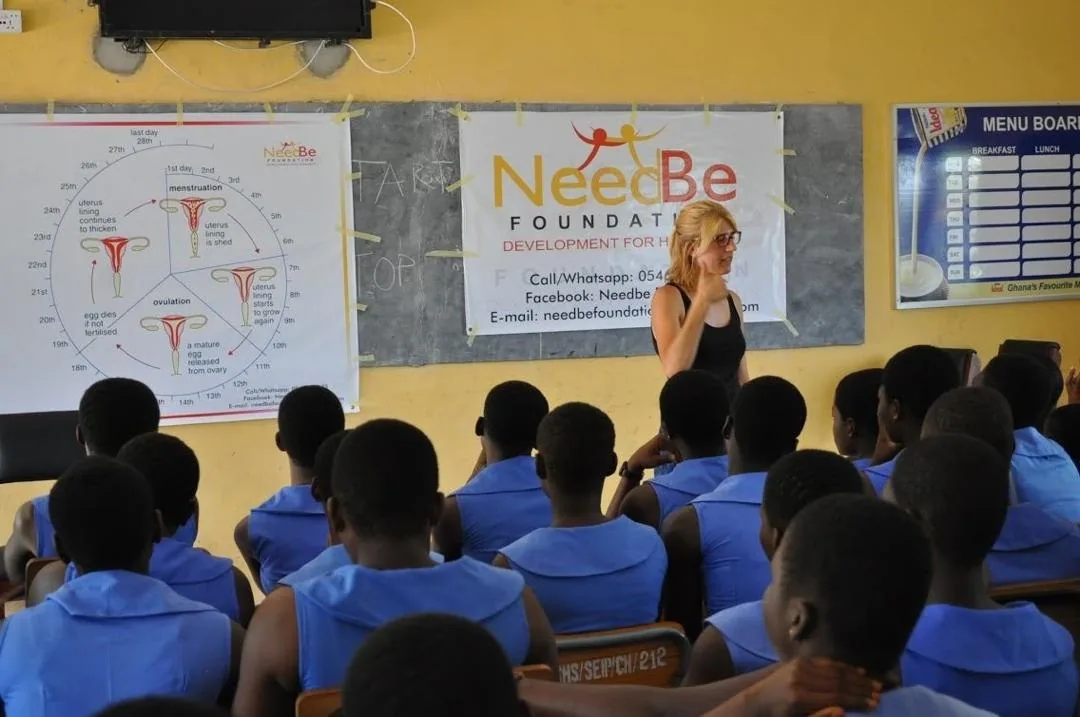
Our primary distribution channel is through schools, where we can reach large numbers of girls efficiently. We partner with 17 schools across Ghana, targeting institutions serving low-income communities. Distribution events are integrated with My Safe Period workshops, ensuring girls receive both products and education.
The Distribution Package: Each girl receives:
- ■Complete set of NeedBe Reusable Pads (2 Regular, 2 Heavy Flow, 1 Overnight)
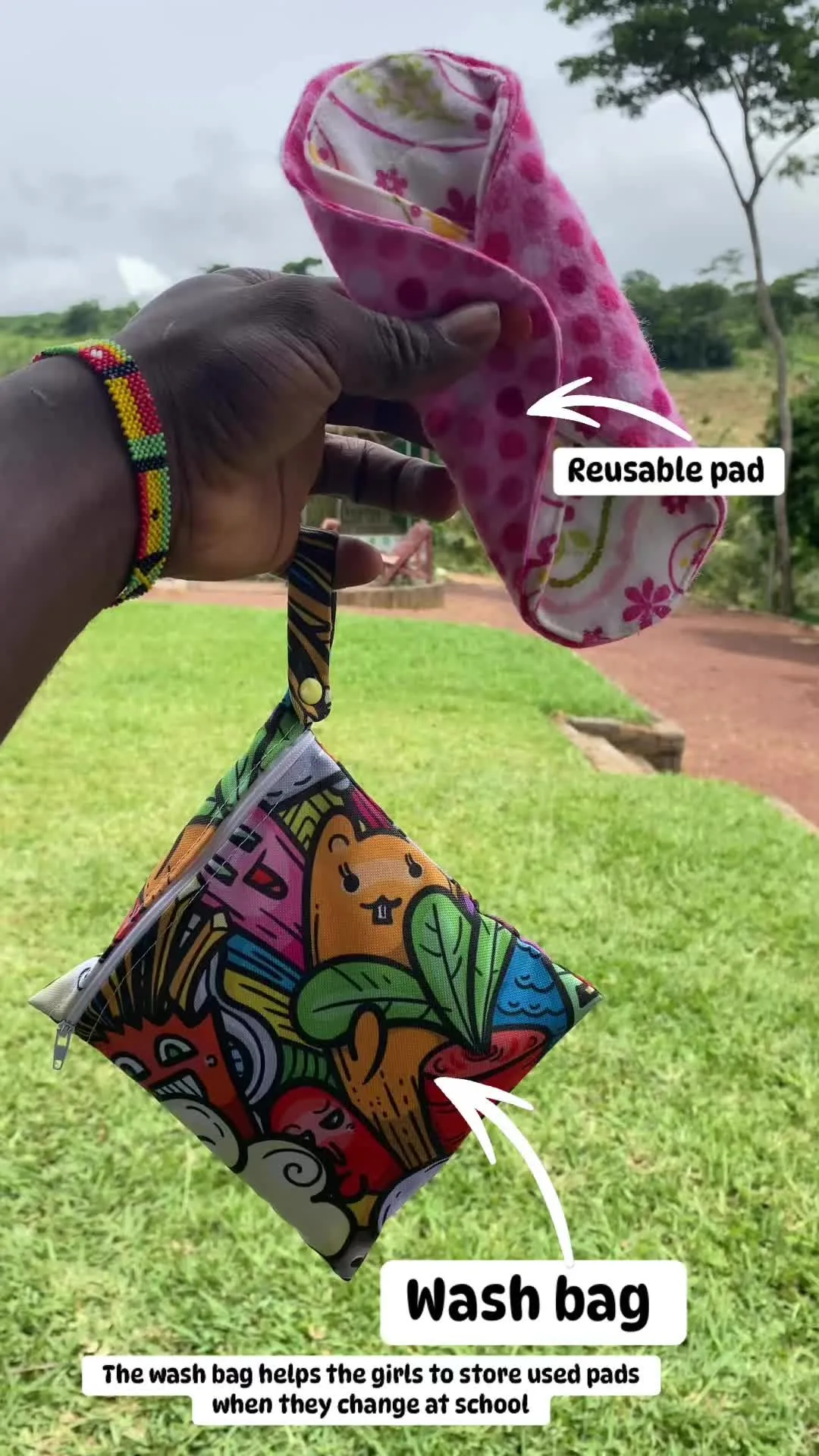
- ■Waterproof carrying pouch for discreet transport
- ■Detailed care instructions in English and local languages
- ■Emergency contact card for questions or concerns
- ■Access to our toll-free support hotline
Community Health Centers
For girls not enrolled in school or in communities without partner schools, we distribute through community health centers. This channel is particularly important for reaching out-of-school youth, married adolescents, and women who may not have access to school-based programs.
Health center distribution includes additional health screening and referrals, connecting girls to broader reproductive health services.
Women-Led Cooperatives
We partner with women's cooperatives and self-help groups to create sustainable local distribution networks. Women who complete our training program can purchase pads at wholesale prices and sell them in their communities, creating both access and income opportunities.
This model has proven particularly effective in rural Northern Region, where transportation challenges make centralized distribution difficult. Local women know their communities and can reach households that might otherwise be missed.
Online and Phone Orders
For families with internet or phone access, we offer direct ordering through our website and WhatsApp. This channel serves urban areas and provides privacy for those who prefer not to receive products through schools or health centers.
We offer free delivery for orders over GHS 100 and subsidized shipping for rural areas. Payment can be made via mobile money, making transactions accessible even without traditional banking.
Flexible Payment and Subsidy Programs
Recognizing that even affordable products can be out of reach for the poorest families, we implement several strategies to ensure no girl is left behind:
Sliding Scale Pricing: Families demonstrate their economic status through school enrollment records or community verification. Those below the poverty line receive pads at 50% cost or free, depending on need severity.
Installment Plans: For families who can pay over time, we offer 3-month installment plans with no interest. A complete set can be obtained for GHS 23/month—less than the cost of one month's disposable pads.
Sponsorship Program: Individual and corporate sponsors can "adopt" a girl, covering the cost of her NeedBe Reusable Pads for three years. Sponsors receive updates on the girls they're supporting (with privacy protections) and can correspond through our monitored letter program.
Community Bulk Purchase: When communities come together to purchase 20+ sets, they receive a 20% discount. This incentivizes community organizations, churches, and mosques to fund pads for their members.
Comprehensive Care and Education
Distribution is only the beginning. We provide ongoing support to ensure girls use their pads correctly and confidently.
Usage Training
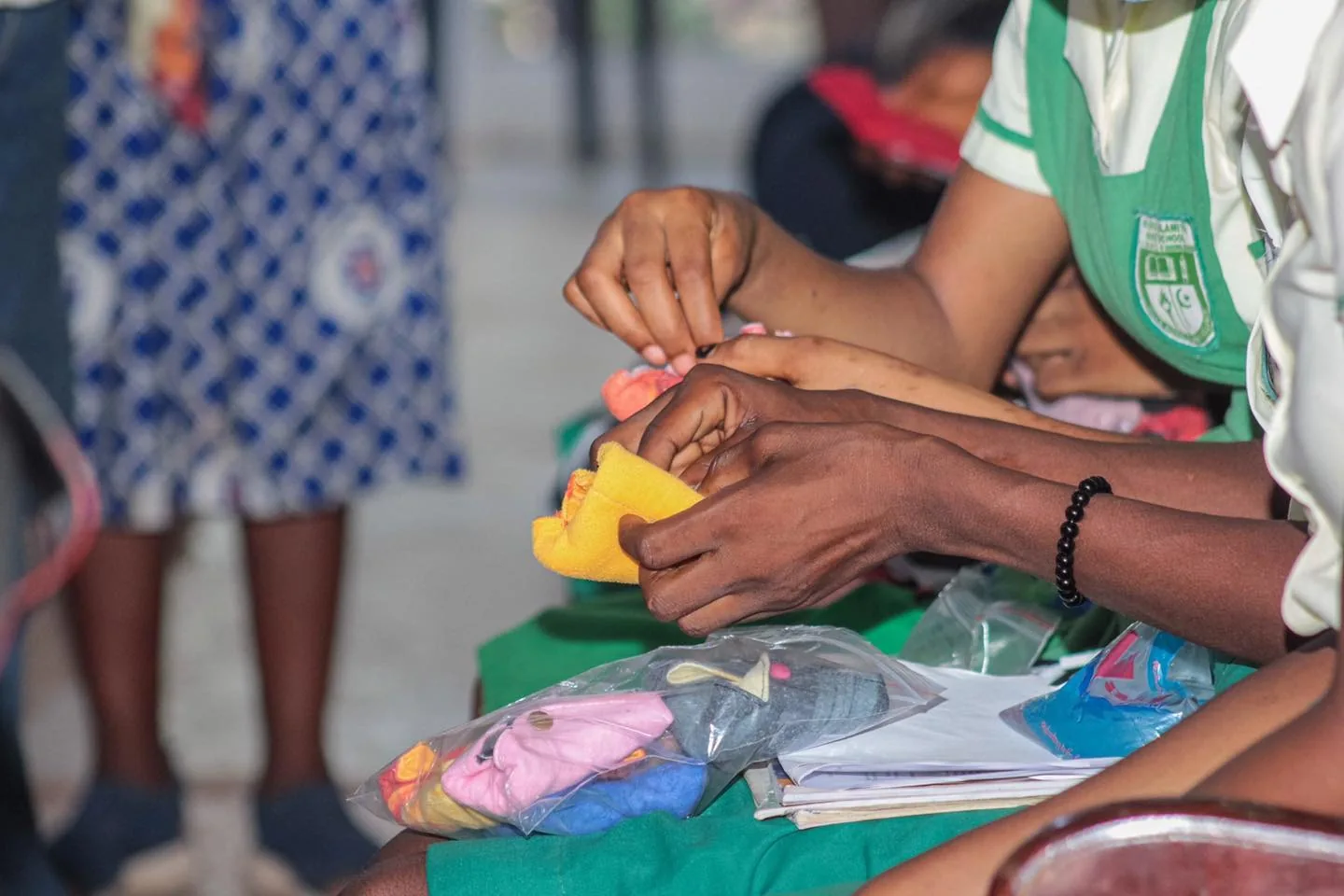
Every distribution event includes hands-on training covering:
- ■How to position and secure the pads
- ■When to change pads based on flow
- ■How to fold and carry used pads discreetly
- ■Recognizing when pads need replacement
Washing and Care Workshops
Proper care is essential for pad longevity and hygiene. Our workshops demonstrate:
- ■Cold water rinsing techniques to prevent staining
- ■Proper soaking and washing methods
- ■Safe drying practices (avoiding direct sunlight that can degrade materials)
- ■Storage between cycles
We address common concerns like: "What if I don't have enough water to wash properly?" Our trainers provide practical solutions, including using minimal water techniques and alternative cleaning methods suitable for water-scarce environments.
Troubleshooting Support
Our toll-free hotline and WhatsApp support connect users with trained advisors who can answer questions and solve problems:
- ■"My pad is leaking—what am I doing wrong?"
- ■"How do I wash at school without anyone noticing?"
- ■"The snaps aren't working anymore—can they be fixed?"
This ongoing support ensures that initial distribution translates into sustained use and benefit.
Replacement and Warranty
NeedBe Reusable Pads come with a one-year warranty against manufacturing defects. If a pad fails due to faulty construction (not user damage), we replace it free of charge. After the warranty period, we offer discounted replacement pads for users who need individual pieces rather than complete sets.
Monitoring, Evaluation, and Continuous Improvement
We rigorously track program outcomes to ensure we're meeting our goals and to identify areas for improvement.
Key Performance Indicators:
- ■Distribution numbers: How many pads reach girls
- ■Usage rates: Percentage of distributed pads actively used
- ■Attendance impact: School attendance rates before and after distribution
- ■Health outcomes: Self-reported infection rates and medical visits
- ■Satisfaction scores: User feedback on comfort, convenience, and effectiveness
- ■Economic impact: Family savings and spending reallocation
Data Collection Methods:
- ■Quarterly surveys of pad users and their families
- ■School attendance records analysis
- ■Focus groups and in-depth interviews
- ■Health center record review (with consent)
- ■Sales and distribution tracking
Feedback Integration: User feedback directly shapes product improvements. Recent design changes based on user input include:
- ■Adding a darker color option (beyond original white) to address staining concerns
- ■Creating a "starter kit" with just 3 pads for girls who want to try the product before committing to a full set
- ■Developing a "sports version" with extra-secure wings for active girls
Advocacy and Systems Change
Beyond individual distribution, we advocate for systemic changes that would make menstrual products accessible to all Ghanaian girls.
Policy Advocacy: We work with the Ghana Education Service and Ministry of Gender, Children, and Social Protection to advocate for:
- ■Free or subsidized menstrual products in all public schools
- ■Menstrual health education as part of the standard curriculum
- ■Improved sanitation facilities in schools (private changing areas, disposal systems, handwashing stations)
- ■Removal of taxes on menstrual products (currently taxed as luxury items)
Menstrual Health Integration: We train health workers to include menstrual health in routine consultations, ensuring that girls who visit clinics for any reason are screened for menstrual health issues and provided with information and resources.
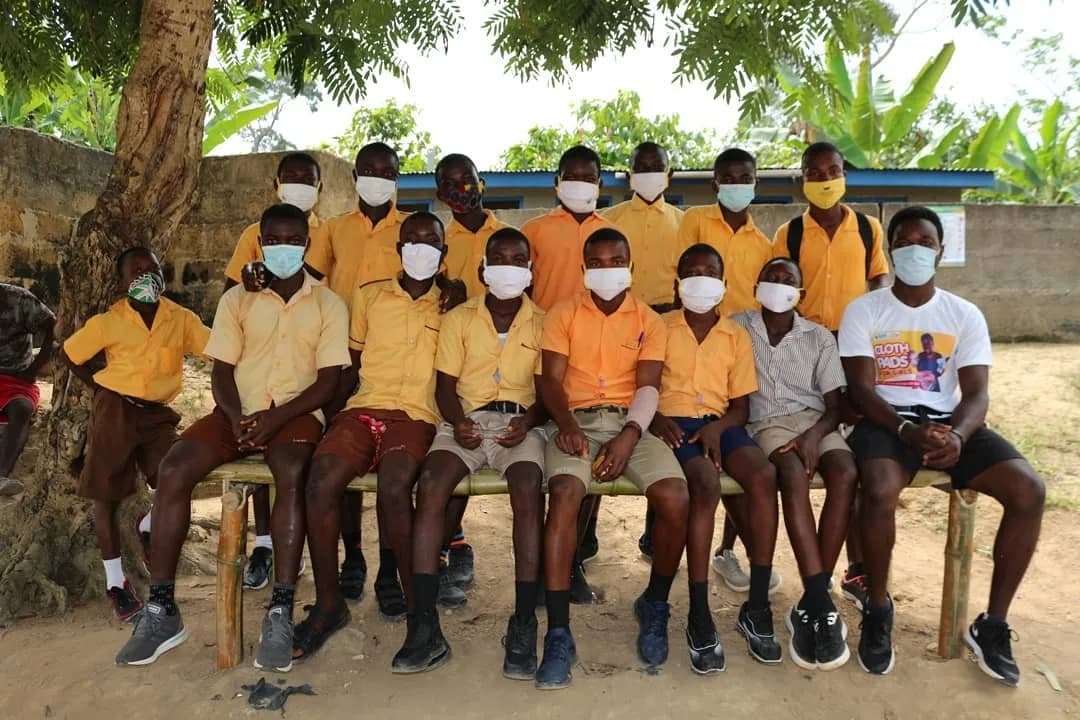
Male Engagement: Through our Boys as Allies program, we work to create school environments where girls can manage menstruation without stigma or teasing. Engaging boys and male teachers is essential for comprehensive support.
The Bigger Picture: NeedBe Reusable Pads as a Gateway
While NeedBe Reusable Pads address an immediate, practical need, they often serve as a gateway to broader engagement with our other programs.
Girls who receive pads frequently become interested in our My Safe Period workshops, seeking to understand their bodies better. They join our Adolescent Health Clubs, becoming peer educators and advocates. They attend our Annual Menstrual Hygiene Festival, celebrating their bodies and connecting with a community of support.
The pads are an entry point—a tangible, immediate benefit that builds trust and opens doors. Once a girl experiences the empowerment of having reliable menstrual protection, she often wants to learn more, do more, and help others. This cascading effect multiplies our impact far beyond the individual products distributed.
Looking Forward: Scaling and Sustainability
Our vision is to make NeedBe Reusable Pads available to every girl in Ghana who needs them. We are working toward this goal through several strategic initiatives:
Production Scaling: We are expanding our manufacturing facility to increase capacity from 5,000 sets per year to 20,000 sets by 2026. This expansion will create additional employment opportunities while reducing per-unit production costs through economies of scale.
National Retail Partnerships: We are exploring partnerships with major retailers (Shoprite, Melcom, etc.) to make NeedBe Reusable Pads available in stores nationwide. Retail availability would reach families who don't interact with our school or health center programs.
Social Enterprise Model: We are developing a social enterprise framework where sales to middle-class families subsidize free or heavily discounted distribution to low-income communities. This cross-subsidization model would create financial sustainability while maintaining accessibility for the most vulnerable.
Regional Production Hubs: To reduce distribution costs and create employment across Ghana, we plan to establish regional production hubs in Kumasi (Ashanti Region), Tamale (Northern Region), and Cape Coast (Central Region). Local production would also allow for regional customization based on local preferences and needs.
International Expansion: We are in discussions with organizations in neighboring West African countries (Togo, Burkina Faso, Cote d'Ivoire) about licensing our design and training model. By sharing our approach, we can extend impact beyond Ghana while generating revenue to support our local programs.
Conclusion: More Than a Pad
The NeedBe Reusable Pads project proves that when you provide the right tools, you don't just grant hygiene—you grant safety, agency, education, economic stability, and uninterrupted futures. A simple cloth pad becomes a vehicle for transformation, touching every aspect of a girl's life and creating ripple effects throughout her family and community.
Every pad distributed represents a girl who can attend school without fear, a family that can redirect money toward food and education, and a community moving closer to gender equality. Every washing and reuse represents environmental stewardship and sustainable living. Every conversation about pads breaks down stigma and normalizes menstruation as the natural, healthy process it is.
Formerly known as Obaa Pads — "Obaa" means "Woman" in Twi — the name honors the strength and resilience of Ghanaian women. Our pads honor that strength by removing barriers and creating opportunities. When a girl has NeedBe Reusable Pads, she doesn't just have menstrual protection—she has the freedom to be fully herself, every day of the month.
Join us in this movement. Whether through donation, sponsorship, partnership, or advocacy, you can help ensure that every Ghanaian girl has access to the products she needs to thrive. Together, we can end period poverty in Ghana, one NeedBe Pad at a time.