Boys & Inclusion
Educating boys to be allies and ensuring deaf students receive inclusive training.
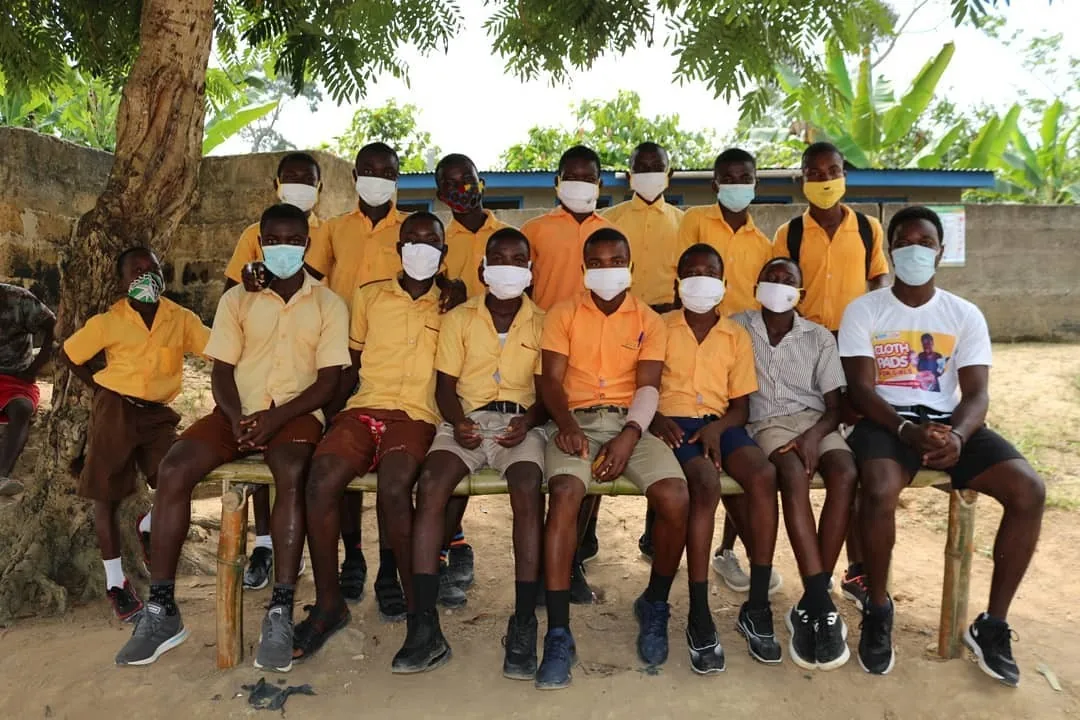
Engaging the whole community. We educate boys to be allies and ensure marginalized groups receive inclusive training.
"Inclusive Reach: School for the Deaf | Boys' Sessions: Conducted | Mission: True Equity"
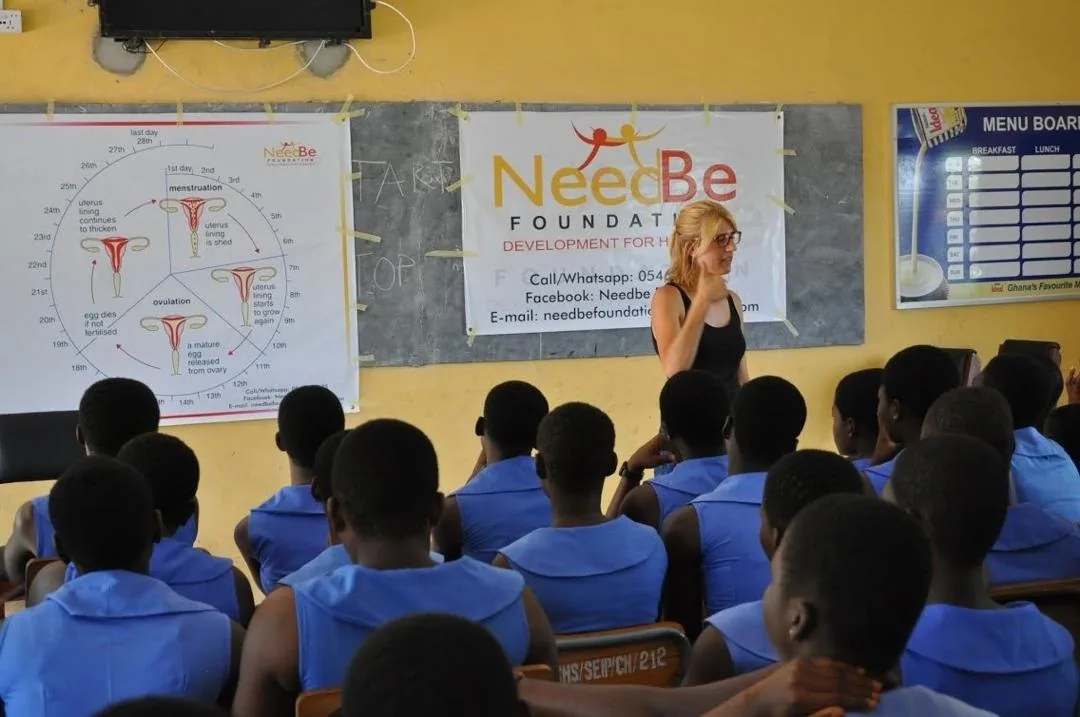
We firmly believe that we don't just teach girls; we teach the entire community. Menstruation affects everyone, and true systemic change requires the active participation and education of all demographics. Since launching our Boys & Inclusion initiative in 2019, we have reached over 3,000 boys across Ghana, transforming the school environment from one of stigma and shame to one of support and understanding.
Boys as Allies: A Comprehensive Education Program
Our Boys' Education module transforms young men from bystanders to advocates through a carefully designed curriculum that addresses biological knowledge, emotional intelligence, and practical allyship skills.
Life Skills Education: Building Knowledge and Empathy
Dedicated sessions for boys focus on life choices, career guidance, and biological education. We help them understand that menstruation is a natural biological process, not something to be mocked or hidden. Our facilitators, often young men who model respectful attitudes, create safe spaces where boys can ask questions without fear of judgment.
The curriculum covers:
- Biological Basics: Clear, age-appropriate explanations of the menstrual cycle, including why it happens, how it works, and what physical symptoms girls may experience
- Emotional Intelligence: Teaching boys to recognize and respect the emotions that accompany hormonal fluctuations
- Historical and Cultural Context: Exploring how different cultures around the world view menstruation, challenging the notion that Ghanaian taboos are universal or inevitable
- Masculinity and Respect: Reframing what it means to be a "real man"—showing that strength includes empathy, protection of the vulnerable, and standing up against injustice
Ally Training: Practical Skills for Support
Explicit and empathetic instruction on how to support girls during their periods. Boys learn concrete skills they can use in daily school life:
Recognizing When Support is Needed:
- Identifying signs that a classmate might be struggling—unusual quietness, discomfort, or distress
- Understanding that not all girls want or need help, and learning to offer support without being intrusive
- Respecting privacy and never drawing attention to someone's menstrual status
Being an Active Bystander:
- Intervening when they witness teasing or harassment, using techniques ranging from distraction to direct confrontation
- Supporting friends who want to speak up but feel nervous
- Reporting persistent bullying to teachers or school administrators
- Creating a "buddy system" where boys look out for girls in their classes
Creating a Supportive Environment:
- Using respectful language about menstruation in conversations with peers
- Challenging jokes, memes, or comments that demean women or girls
- Encouraging male teachers and authority figures to model respectful attitudes
- Participating in awareness campaigns and school events that promote menstrual health
Breaking the Silence: From Theory to Practice
Teaching young men to act as powerful allies rather than bystanders requires more than classroom instruction—it requires real-world application. Our program includes:
Role-Playing Scenarios: Boys practice responding to common situations: a friend makes a period joke, a girl drops her pad in the hallway, a classmate is teased for staining her uniform. Through guided practice, they build confidence in their ability to respond effectively.
Peer Mentorship: Older boys who have completed the program serve as mentors to younger students, creating a cascade effect where allyship becomes part of the school culture. These peer mentors organize informal discussions, sports events, and social activities that reinforce messages of respect and inclusion.
Community Engagement: Boys take their learning beyond the classroom by participating in community events, discussing menstrual health with their families (including fathers and grandfathers), and advocating for improved sanitation facilities in their schools.
Inclusivity in Action: Reaching the Marginalized
Empowerment cannot leave the most vulnerable groups behind. A massive milestone in our 2021 expansion has been delivering specific programming for marginalized communities, particularly students with disabilities.
School for the Deaf Program: A Groundbreaking Initiative
In Savelugu, we conducted groundbreaking sessions at the School for the Deaf, marking a first for menstrual health education in Northern Ghana. This program required extensive adaptation and collaboration with disability experts, but the results have been transformative.
Program Adaptations:
- We integrated professional sign language interpreters directly into our workshops, ensuring that every student could fully participate in discussions and ask questions
- We adapted our visual learning resources to ensure accessibility, creating detailed illustrations and animations that don't rely on audio narration
- We created video content with Ghanaian Sign Language (GSL) interpretation, providing students with reference materials they can review independently
- We developed illustrated guides that don't rely on audio components, ensuring that deaf students have the same access to information as their hearing peers
Curriculum Modifications:
- We incorporated education about how menstruation may be experienced differently by deaf girls, who may not have the same auditory cues (like hearing a pad wrapper rustle) that hearing girls rely on
- We addressed unique safety concerns, such as not hearing approaching footsteps when changing pads
- We developed communication strategies for deaf girls to express their needs to hearing family members who may not know sign language
- We trained teachers at the School for the Deaf to serve as ongoing resources for students
Impact on Students: The feedback from this program was overwhelming. Students expressed that this was the first time their specific needs had been considered in health education. Female students reported feeling more confident managing menstruation, while male students demonstrated increased empathy and willingness to support their classmates.
Teachers reported increased confidence among female students, who no longer felt they had to hide their periods or suffer in silence. Male students showed greater empathy, often volunteering to assist with non-intrusive support like carrying books for classmates who were experiencing discomfort.
Expanding Inclusive Education
Following the success at the School for the Deaf, we have expanded our inclusive programming to:
- Schools for students with visual impairments, creating tactile learning materials and audio resources
- Integrated schools where students with disabilities learn alongside non-disabled peers, fostering universal understanding and support
- Community centers that serve out-of-school youth with disabilities
Partner Organizations and Community Collaboration
This work would not be possible without the collaboration of organizations that bring expertise, resources, and credibility to our programs.
Ghana National Association of the Deaf (GNAD): GNAD has been instrumental in helping us adapt our curriculum for deaf students. They provided sign language interpreters, reviewed our materials for cultural appropriateness, and connected us with deaf community leaders who helped spread the word about our programs.
Special Education Division, Ghana Education Service: This government division oversees special education policy and has supported our work by providing access to special schools, training for our facilitators on working with students with disabilities, and policy guidance that helps us align our programs with national education goals.
Local Community Leaders and Chiefs: In many communities, traditional leaders hold significant influence over cultural norms and practices. By engaging chiefs and elders early in our program development, we have secured community buy-in and addressed concerns about cultural sensitivity. Several chiefs have become vocal advocates for our work, using their platforms to encourage parents to support menstrual health education for all children.
Parent-Teacher Associations (PTAs): PTAs serve as crucial bridges between our programs and families. We work closely with PTA leadership to:
- Communicate program goals and content to parents
- Address concerns about teaching boys about menstruation
- Recruit parent volunteers to support program activities
- Gather feedback from families about ongoing needs and challenges
Measuring Impact: Data and Stories
We track the effectiveness of our Boys & Inclusion program through both quantitative metrics and qualitative feedback.
Quantitative Results:
- 78% reduction in reported period-related teasing in schools with active Boys as Allies programs
- 65% of participating boys report feeling "very confident" in their ability to support female classmates
- 40% increase in male student participation in school health initiatives following program completion
- 90% of teachers in participating schools report improved classroom culture regarding gender respect
Qualitative Stories:
Kwame's Transformation (Adaklu Waya SHS): "I used to think periods were gross and that girls who had them should hide. My friends and I would laugh when we saw a pad wrapper or when a girl had to leave class. I didn't realize how much we were hurting them until the NeedBe workshop. Now I understand that menstruation is natural, and the real problem is our attitude, not their bodies. Last month, I actually told my friends to stop teasing a girl in our class, and they listened. It felt good to be the one standing up for what's right instead of going along with the crowd."
Mr. Addo's Classroom (Savelugu): A teacher at the School for the Deaf shared: "Before this program, my female students would miss school for days during their periods. They were embarrassed to communicate their needs, and the boys didn't understand why they were absent. After the workshop, everything changed. Now the boys help create a supportive environment—they'll discreetly let me know if a girl seems unwell, or they'll help carry her books if she's having cramps. The whole school feels more like a community."
A Mother's Surprise (Kpetoe): "My son came home from school talking about menstruation. At first I was shocked—they're teaching boys about this now? But he explained what he learned, and I realized this is exactly what our community needs. He actually helped his sister feel better when she got her first period last month. He told her it was natural and something to be proud of, not afraid of. I never thought my son would be the one teaching me about menstrual dignity."
Challenges and Adaptations
Implementing a program that teaches boys about menstruation in conservative communities is not without challenges. We have encountered and addressed several obstacles:
Parental Resistance: Some parents, particularly fathers, initially objected to their sons learning about menstruation, viewing it as inappropriate or unnecessary. We addressed this by:
- Hosting parent information sessions that explained the program goals and content
- Emphasizing the benefits for boys, including improved relationships and preparation for future family life
- Sharing data about reduced teasing and improved school climate
- Inviting resistant parents to observe workshops and see the professional, respectful approach firsthand
Cultural Taboos: In some communities, strong taboos prohibit men and boys from discussing menstruation or even being near menstruating women. We navigate these sensitivities by:
- Working with local leaders to find culturally acceptable approaches
- Respecting boundaries while gently challenging harmful myths
- Focusing on practical allyship rather than deep cultural analysis in more conservative areas
- Celebrating local cultural strengths while introducing new perspectives
Teacher Discomfort: Some male teachers felt uncomfortable teaching about menstruation or addressing period-related teasing. We support teachers through:
- Professional development workshops that build their confidence and knowledge
- Providing curriculum guides that make lesson planning easier
- Connecting them with mentors who have successfully implemented the program
- Creating peer support networks among participating teachers
Looking Forward: Scaling and Sustainability
Our vision is for every school in Ghana to have active Boys as Allies programming, creating a generation of young men who view gender equity and menstrual dignity as normal, non-negotiable values.
Integration with National Curriculum: We are working with the Ghana Education Service to integrate key components of our Boys & Inclusion curriculum into the national health education standards. This would ensure that all students, regardless of location, receive basic education about menstrual health and gender respect.
Teacher Training Institutes: We are developing partnerships with teacher training colleges to incorporate our approach into pre-service education. By reaching future teachers before they enter classrooms, we can ensure that new educators are equipped to foster inclusive, supportive environments from day one.
Parent Education Expansion: Recognizing that parents are crucial partners, we are expanding our parent engagement programming. This includes community forums, take-home materials, and family workshops that help parents continue conversations about respect and allyship at home.
Alumni Network: We are building a network of young men who have completed our program, creating ongoing opportunities for mentorship, leadership development, and advocacy. These alumni will become the next generation of community leaders, carrying messages of gender equity into their adult lives.
Conclusion: Rewriting the Cultural Script
By embracing boys as allies and ensuring the inclusion of disabled students, we are actively rewriting the cultural script surrounding menstruation across Ghana. We are proving that menstruation is not just a "women's issue"—it is a human issue that affects families, communities, and entire nations.
Every boy who learns to respect and support his female classmates is a step toward gender equality. Every school that eliminates period-related teasing is a safer, more productive learning environment. Every community that includes people with disabilities in health education is more just and compassionate.
The work of the NeedBe Foundation's Boys & Inclusion program extends far beyond workshops and training sessions. It is about transforming hearts and minds, building a Ghana where every girl can attend school with dignity, and every boy grows up to be a man who respects and values women.
Join us in this movement. Whether you are a teacher, parent, community leader, or concerned citizen, you can help us expand this vital work. Together, we can ensure that no girl is left behind, and no boy grows up ignorant of the strength and dignity of the women around him.