Adolescent Health Clubs
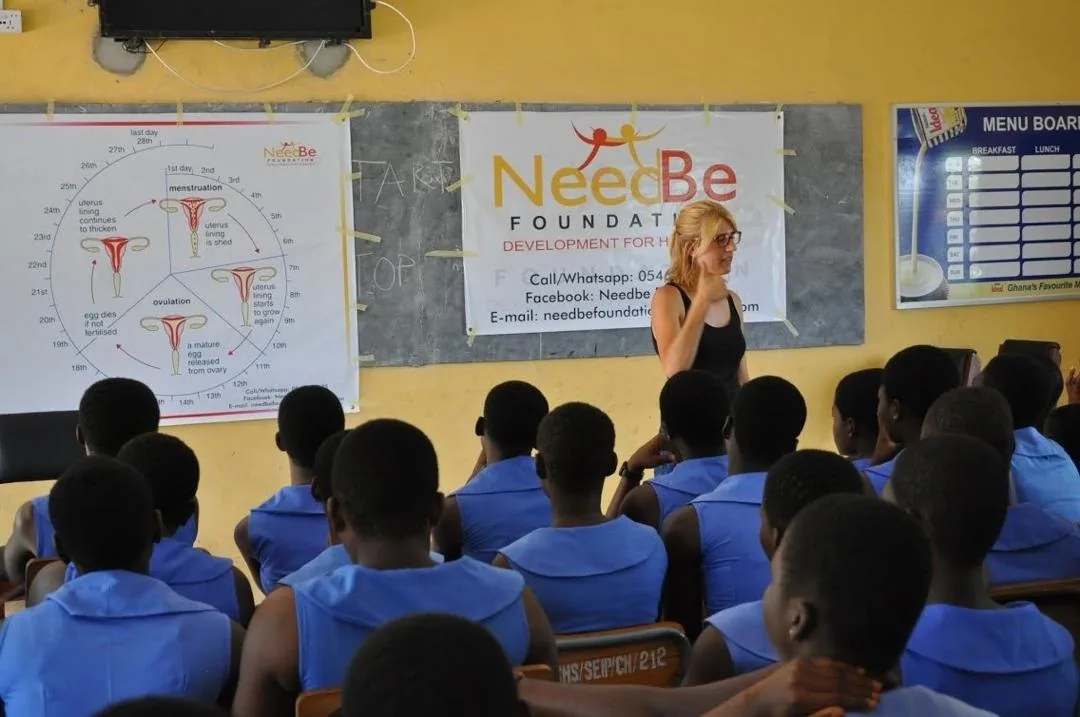
Establishing adolescent reproductive health clubs in schools to foster peer education.
The Health Ambassador Model
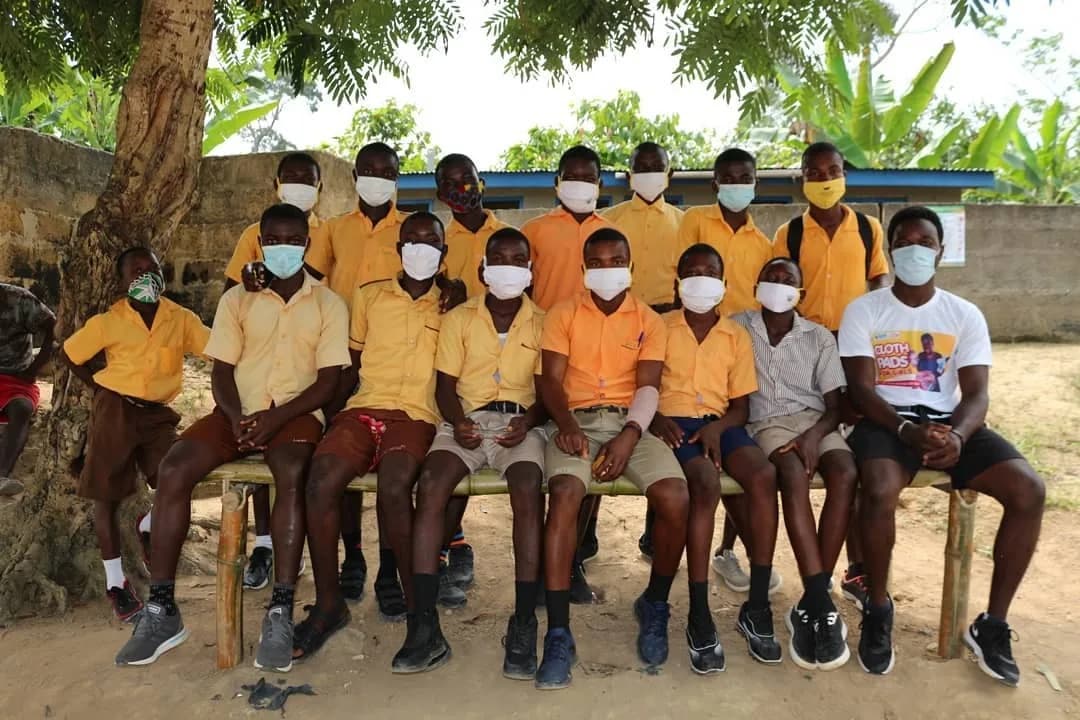
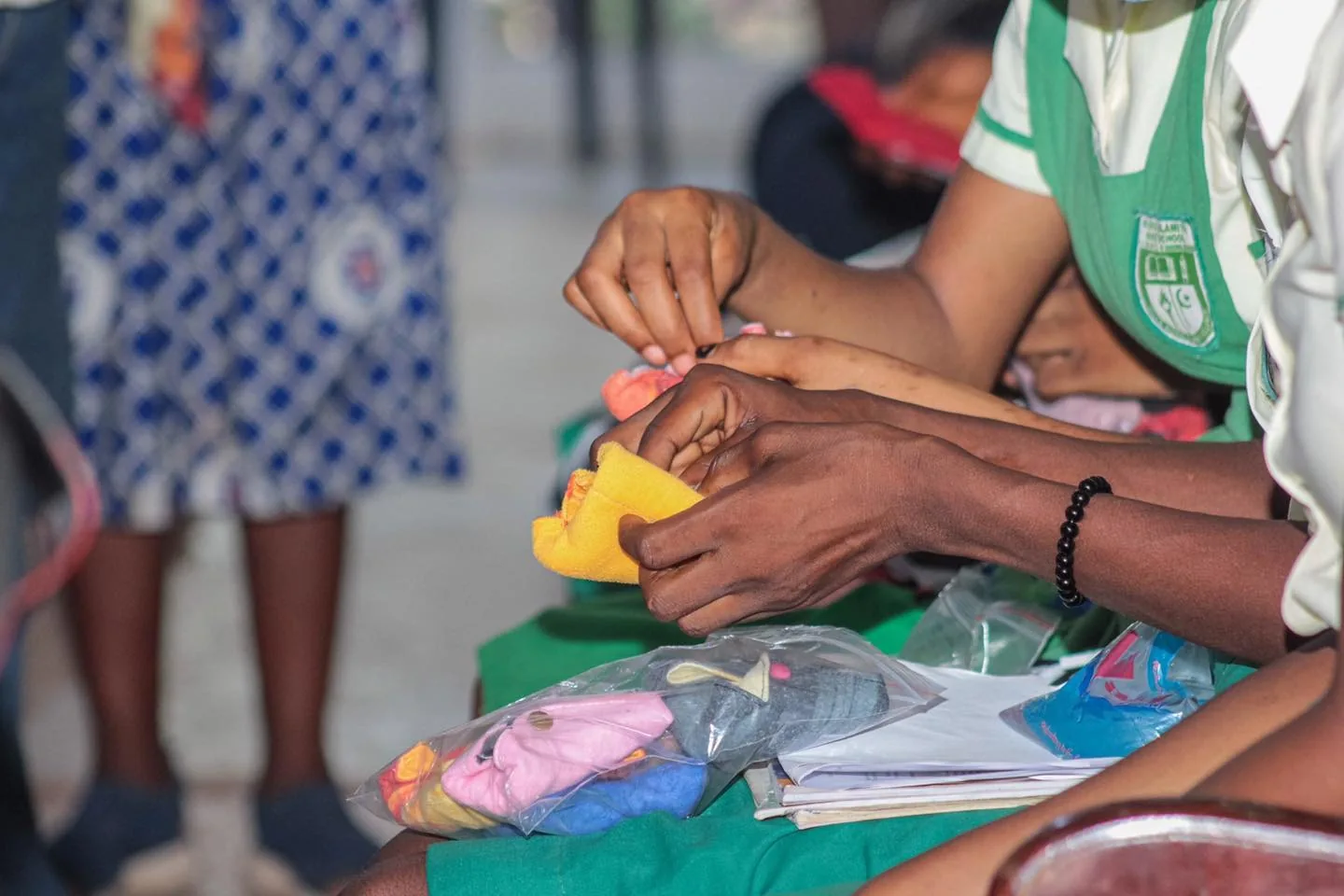
We train student leaders as "Health Ambassadors" who facilitate weekly meetings, manage anonymous question boxes, and serve as trusted peer resources. Candidates undergo 40-hour training covering reproductive health knowledge, leadership skills, and resource management.
Club Resources
- ■Club Patron: Supervising teacher providing adult oversight
- ■Meeting Schedule: Weekly or bi-weekly sessions during lunch or after school
- ■Resource Library: Educational materials, pamphlets, and visual aids
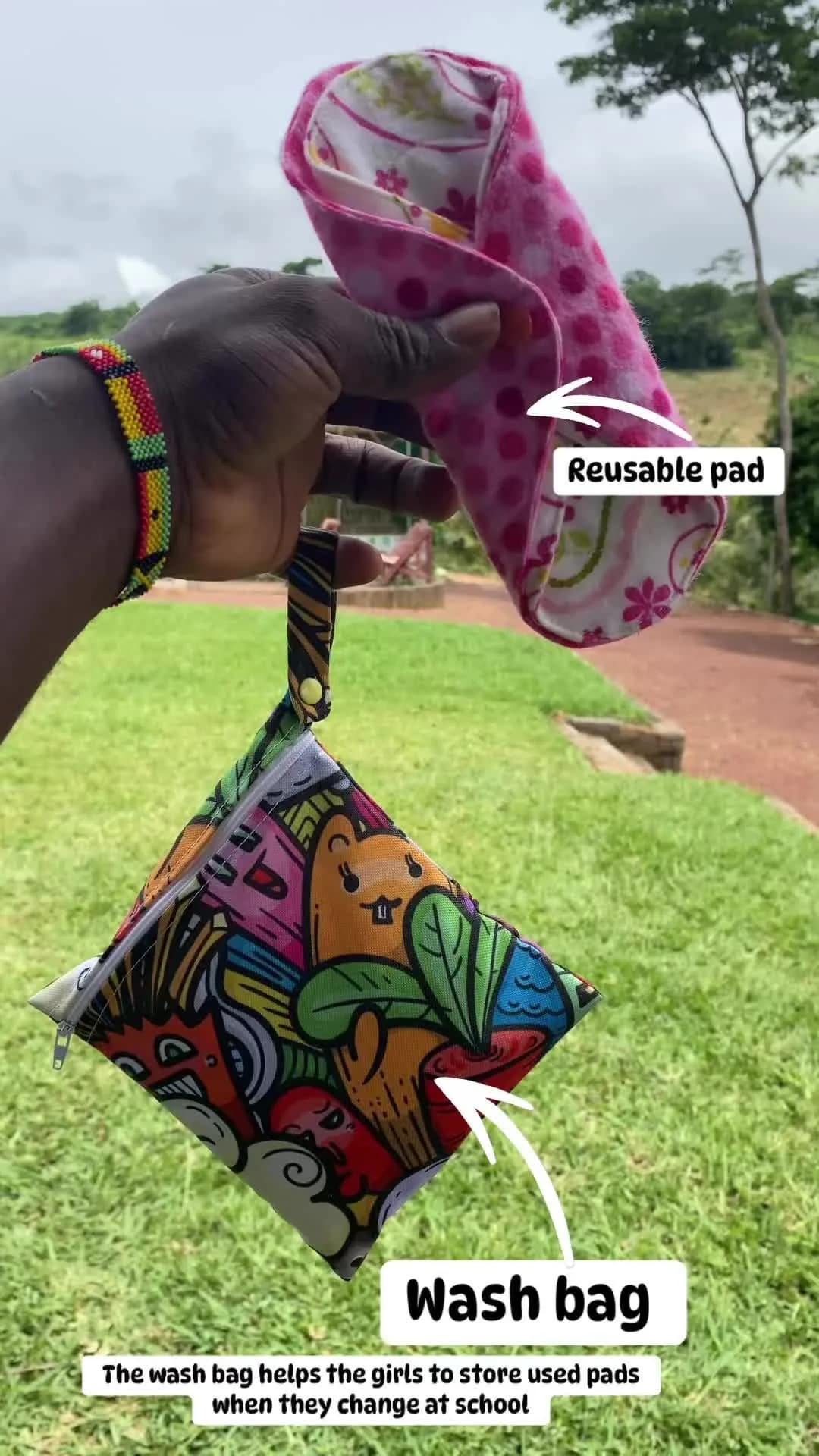
- ■Emergency Supply Box: Discreetly stored sanitary products for unexpected periods
Club Programming
Menstrual Health Mastery: Advanced cycle tracking, managing disorders, comparing product options, and nutritional strategies.
Sexual and Reproductive Health: Contraception, STI prevention, consent, and healthy relationships.
Mental Health: Recognizing depression and anxiety, stress management, and building resilience.
Life Skills: Goal-setting, career exploration, financial literacy, and communication skills.
Gender and Rights: Understanding equality, recognizing gender-based violence, and advocacy skills.
Activities and Campaigns
- ■Menstrual Hygiene Day Observances: Educational assemblies, poster campaigns, and pad drives
- ■Peer Counseling: One-on-one support for personal health concerns
- ■Community Outreach: Home visits and parent education sessions
- ■School Improvement: Advocating for better facilities and emergency pad dispensers
Impact and Stories
Metrics:
- ■85% better knowledge retention among club participants
- ■15% reduction in period-related absences
- ■100+ trained ambassadors reaching 3,000+ students indirectly
Emmanuel's Journey: "Before the Health Club, I was painfully shy. Now I'm Head Boy and applying to nursing school. The club taught me I have a voice worth hearing."
Agortime SHS: The club grew from 15 to 80 members and successfully advocated for bathroom doors, pad dispensers, and curriculum integration.
Comfort's Story: Starting her period early left her feeling isolated. "Hearing older girls talk openly was revolutionary. Now I lead sessions telling others: you're not weird, you're not broken, and you're not alone."
Mr. Mensah: After 15 years of rushing through reproductive health lessons, training gave him confidence. "Students now ask questions they never would have before. Being a Club Patron is the most meaningful work of my career."
Growth and Recognition
Active in 12+ schools engaging 1,500+ students. Health Ambassadors receive certification recognized by the Ghana Education Service, recommendation letters, ongoing mentorship, and priority internship consideration.
Conclusion
These clubs are investments in the next generation of health advocates. Every conversation about menstruation chips away at cultural stigma. Young people aren't just beneficiaries—they're the most powerful agents of change.