Teacher & Health Professional Training
Training teachers and health professionals to integrate menstrual health education properly.
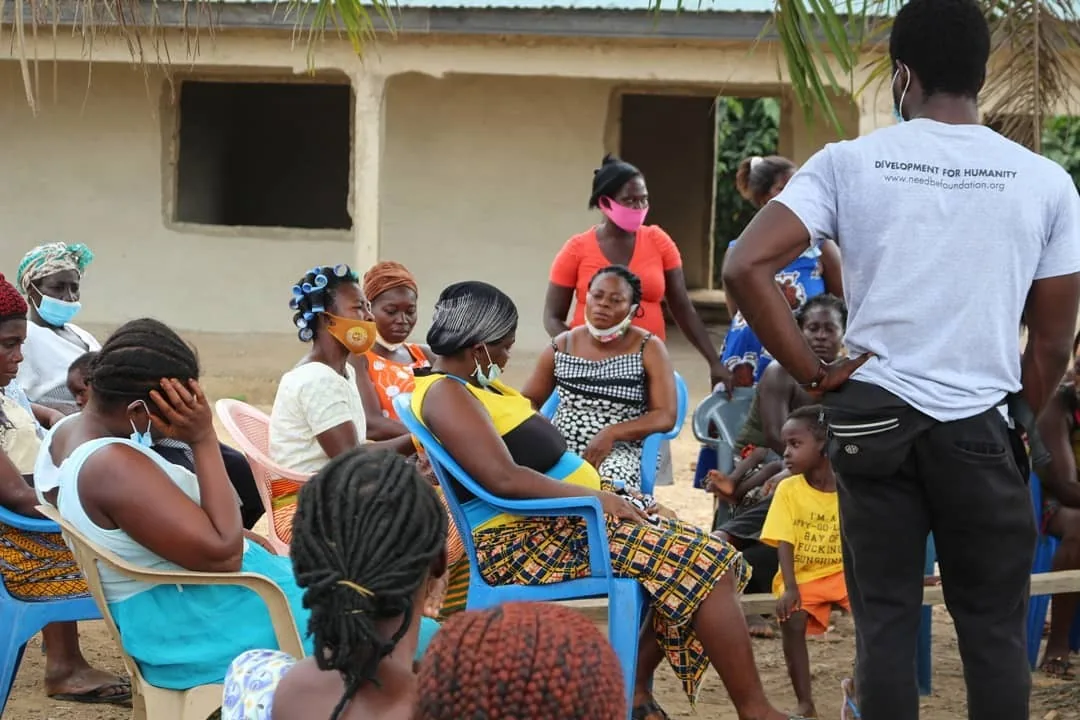
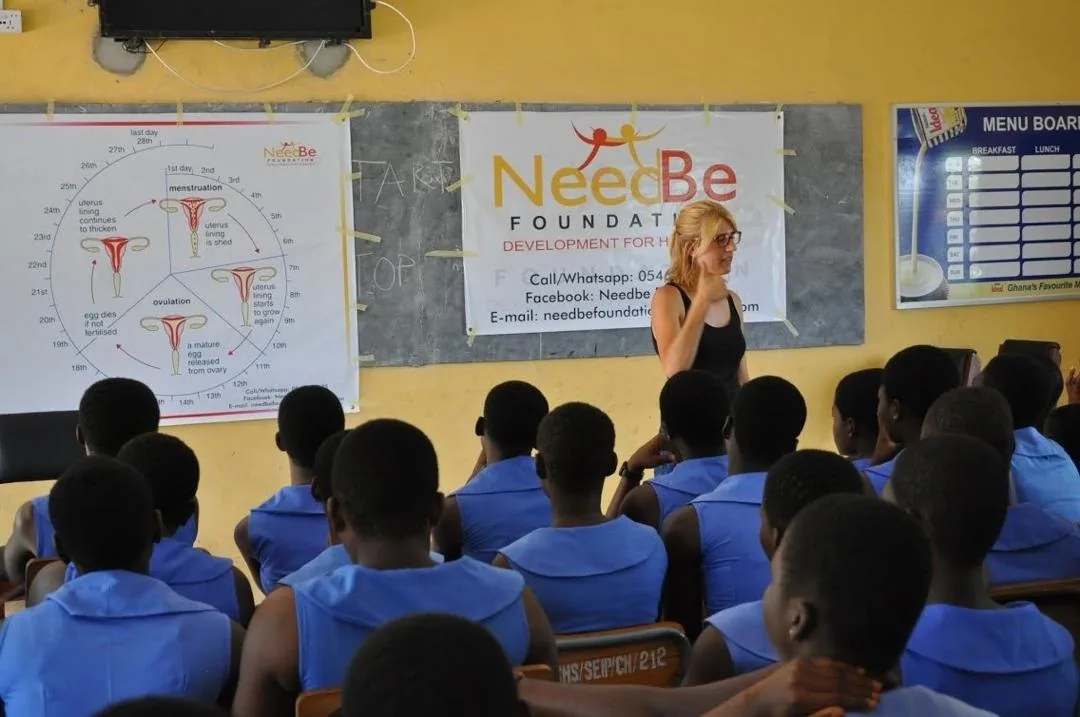
For interventions to surpass temporary outreach and become structurally ingrained, the infrastructure itself must change. The NeedBe Foundation recognizes that teachers and local health workers are the frontline guardians of adolescent welfare. Through our Capacity Building Training Program, we empower these key stakeholders with the knowledge, skills, and confidence to support adolescent health effectively.
The Training Program: Comprehensive Curriculum
Our Capacity Building Training Program is a 40-hour intensive course delivered over five days, combining theoretical knowledge with practical skills development. The curriculum is designed by education specialists, medical professionals, and experienced teachers who understand the realities of Ghanaian schools and clinics.
Module 1: Foundational Knowledge (8 hours)
Before professionals can teach or treat effectively, they must themselves understand the science of menstruation without cultural distortion.
Biological Foundations:
- ■Detailed reproductive anatomy and physiology
- ■The hormonal cycle: estrogen, progesterone, and their effects
- ■Menstrual cycle variations: normal ranges and when to be concerned
- ■Common menstrual disorders: dysmenorrhea, menorrhagia, amenorrhea, PMDD
- ■Conditions that affect menstruation: PCOS, endometriosis, fibroids, thyroid disorders
Developmental Context:
- ■Puberty timing and variations across populations
- ■Physical, emotional, and cognitive changes during adolescence
- ■The intersection of physical development and psychosocial wellbeing
- ■Recognizing when development falls outside typical ranges
Cultural and Social Dimensions:
- ■Historical and cross-cultural perspectives on menstruation
- ■How stigma affects health outcomes and educational attainment
- ■Gender inequality and menstrual health as a rights issue
- ■The economics of period poverty and its impact on families
Module 2: Pedagogical Excellence for Teachers (10 hours)
Teaching reproductive health requires specialized skills beyond standard pedagogical training.
Creating Safe Learning Environments:
- ■Establishing classroom norms that respect privacy and dignity
- ■Managing student discomfort and embarrassment
- ■Handling giggling, teasing, and inappropriate comments constructively
- ■Balancing openness with cultural sensitivity
- ■Addressing mixed-gender classroom dynamics
Engaging Instructional Strategies:
- ■Interactive methods: role-playing, case studies, group discussion
- ■Visual aids and anatomical models: proper usage and limitations
- ■Anonymous question techniques: the question box, online polls, index cards
- ■Differentiated instruction for various learning styles and comfort levels
- ■Age-appropriate content sequencing across grade levels
Assessment and Evaluation:
- ■Creating assessments that measure understanding without invading privacy
- ■Recognizing signs of comprehension versus mere memorization
- ■Evaluating attitude change alongside knowledge acquisition
- ■Using feedback to continuously improve instruction
Integration Across Curriculum:
- ■Connecting menstrual health to biology, health education, and life skills courses
- ■Incorporating menstrual health themes into mathematics (data analysis), language arts (reading materials), and social studies (gender equity)
- ■Coordination with school counselors, nurses, and administrators
- ■Aligning with national curriculum standards while expanding beyond minimum requirements
Module 3: Clinical Competency for Health Workers (10 hours)
Health professionals need specific skills to address menstrual health in clinical settings.
Patient Communication Skills:
- ■Opening conversations about menstruation with sensitivity
- ■Using neutral, non-judgmental language
- ■Adapting communication for different age groups and developmental stages
- ■Addressing the needs of patients with disabilities
- ■Working with interpreters when necessary
Clinical Assessment:
- ■Taking a menstrual history: key questions and red flags
- ■Physical examination considerations for adolescent patients
- ■Distinguishing normal variation from pathology
- ■Recognizing signs of underlying conditions (endometriosis, PCOS, bleeding disorders)
- ■When to refer to specialists
Treatment and Management:
- ■Pain management strategies: pharmaceutical and non-pharmaceutical
- ■Addressing heavy menstrual bleeding
- ■Managing menstrual irregularities
- ■Contraceptive counseling for menstrual health (not just pregnancy prevention)
- ■Addressing anemia and nutritional concerns related to menstruation
Documentation and Follow-up:
- ■Recording menstrual health information appropriately
- ■Maintaining patient confidentiality while ensuring continuity of care
- ■Creating referral networks with gynecologists, endocrinologists, and other specialists
- ■Tracking outcomes and adjusting treatment plans
Module 4: Recognizing and Addressing Period Poverty (6 hours)
Both teachers and health workers must understand the socioeconomic dimensions of menstrual health.
Identifying Period Poverty in Schools:
- ■Behavioral indicators: frequent bathroom visits, reluctance to stand, stains on clothing
- ■Academic indicators: declining performance, increased absences during certain times
- ■Social indicators: isolation, embarrassment, requests to excuse participation
- ■Direct observation: what students may try to hide
Identifying Period Poverty in Clinical Settings:
- ■Questions that reveal economic constraints
- ■Recognizing makeshift menstrual products or prolonged product usage
- ■Understanding when cost barriers prevent proper care
- ■Connecting patients with resources
Support Strategies:
- ■Creating emergency supply systems in schools and clinics
- ■Referring families to community resources and NGOs
- ■Advocating for policy changes at institutional and governmental levels
- ■Maintaining dignity while providing assistance
Documentation and Advocacy:
- ■Tracking period poverty indicators for institutional awareness
- ■Communicating findings to administrators and policymakers
- ■Protecting student/patient privacy while raising systemic issues
- ■Participating in community solutions
Module 5: Creating Supportive Institutions (6 hours)
Individual professionals can only do so much without institutional support. This module focuses on systems change.
School-Based Interventions:
- ■Developing comprehensive school health policies that include menstrual health
- ■Improving sanitation facilities: design considerations for privacy, safety, and hygiene
- ■Creating private spaces for product changes and pain management
- ■Establishing clear protocols for supporting students who menstruate
- ■Training all staff—not just health teachers—on menstrual health basics
Health Facility Improvements:
- ■Creating adolescent-friendly clinic environments
- ■Ensuring privacy in waiting areas and examination rooms
- ■Stocking menstrual products for patients in need
- ■Developing referral pathways and care coordination
- ■Integrating menstrual health into routine adolescent health visits
Policy Advocacy:
- ■Communicating with school boards and ministry officials
- ■Building coalitions for policy change
- ■Using data to demonstrate need and document impact
- ■Navigating cultural and political sensitivities
Community Engagement:
- ■Working with parents and community leaders
- ■Addressing resistance and concerns constructively
- ■Building public support for menstrual health initiatives
- ■Sustaining momentum for long-term change
Training Methodology: Learning by Doing
Our training program employs adult learning principles, recognizing that professional development is most effective when it is participatory, relevant, and immediately applicable.
Interactive Workshops
Rather than lecturing, our trainers facilitate discussions, activities, and skill-building exercises:
- ■Case Study Analysis: Participants review real scenarios and develop response strategies
- ■Role-Playing: Practicing difficult conversations with colleagues before facing students or patients
- ■Peer Teaching: Participants teach mini-lessons to each other, receiving constructive feedback
- ■Resource Development: Creating lesson plans, assessment tools, or patient education materials
- ■Problem-Solving Sessions: Addressing specific challenges participants face in their workplaces
Expert Facilitation
Our training team includes:
- ■Medical doctors specializing in adolescent gynecology
- ■Educational psychologists with expertise in sensitive topic instruction
- ■Experienced teachers who have successfully implemented menstrual health programs
- ■School administrators who have navigated policy change
- ■Health workers from community clinics serving adolescents
This diversity ensures that participants receive credible, practical guidance from professionals who understand their context.
Follow-up Support
Training is not a one-time event. We provide ongoing support to ensure that learning translates into practice:
Mentorship Program: Each participant is paired with an experienced mentor who provides:
- ■Monthly check-in calls or visits
- ■Troubleshooting support for challenges encountered
- ■Additional resources as needs emerge
- ■Encouragement and accountability
Professional Learning Communities: Participants are organized into peer support groups that meet quarterly to:
- ■Share successes and challenges
- ■Exchange resources and strategies
- ■Collaborate on shared goals
- ■Sustain motivation and commitment
Resource Library: Graduates receive access to an extensive collection of:
- ■Lesson plans and teaching materials
- ■Patient education handouts
- ■Assessment tools and rubrics
- ■Policy templates and advocacy materials
- ■Research articles and best practice guides
- ■Video demonstrations and recorded expert presentations
Booster Sessions: Annual refresher training sessions provide:
- ■Updates on new research and best practices
- ■Advanced skill development
- ■Networking with fellow graduates
- ■Recognition of achievements and milestones
Impact and Outcomes
The Teacher & Health Professional Training program creates ripple effects that extend far beyond individual participants.
Quantitative Results
Knowledge Gains: Pre- and post-training assessments demonstrate significant improvement:
- ■78% average increase in menstrual health knowledge scores
- ■85% of participants correctly identifying symptoms of common menstrual disorders (up from 45%)
- ■92% understanding the socioeconomic dimensions of period poverty (up from 35%)
Confidence Improvements: Self-efficacy surveys reveal dramatic shifts:
- ■89% of teachers report feeling "very confident" teaching reproductive health (up from 23%)
- ■91% of health workers feel comfortable discussing menstruation with adolescent patients (up from 28%)
- ■95% feel prepared to address period poverty in their settings (up from 18%)
Practice Changes: Follow-up surveys six months post-training show sustained behavior change:
- ■87% of trained teachers have modified their reproductive health instruction
- ■82% of health workers report changed clinical practices regarding menstrual health
- ■76% have implemented new institutional policies or advocated for such changes
Qualitative Impact Stories
Ms. Akosua: A science teacher for 12 years who rushed through reproductive health lessons. "I was embarrassed. The training taught me that my discomfort communicated shame to students. Now it's my favorite unit—students ask questions they never would have before. One girl recognized endometriosis symptoms and got help because she felt comfortable talking to me."
Nurse Kwame: After 8 years referring menstrual questions to female colleagues, training helped him realize "menstrual health is health—period." He now initiates conversations, screens for period poverty, and recently identified severe dysmenorrhea in a 14-year-old that was affecting her school attendance.
Headmistress Abena: Initially saw menstrual health as a distraction from academics. Training revealed that discipline issues often had health-related root causes. She implemented comprehensive guidelines, secured bathroom renovations, and saw national exam scores improve. "This training transformed my entire school."
Systemic Impact
Curriculum Integration: Collaborating with Ghana Education Service to integrate menstrual health into national standards, develop model lesson plans, and create pre-service teacher training modules.
Policy Changes:
- ■15 schools adopted new menstrual health policies
- ■3 district health directorates prioritized adolescent menstrual health
- ■Volta Regional Coordinating Council included menstrual health in gender framework
- ■Working with parliament to remove taxes on menstrual products
Replication Model: Training of Trainers program enables exponential expansion. Schools can license curriculum, and we're developing e-learning for remote reach.
Addressing Challenges
Time Constraints: Modular design allows single-day sessions spread over time, scheduled during school holidays with substitute coverage arranged.
Cultural Resistance: Data-driven appeals, respectful engagement acknowledging cultural values, and peer ambassadors encourage participation.
Resource Limitations: Low-cost solutions emphasized, partnerships connect institutions with funding sources, and graduated implementation helps phase improvements.
Sustainability: Professional Learning Communities provide ongoing support, institutional policy adoption ensures continuity beyond individual champions, and annual refreshers reinforce learning.
Looking Forward
Advanced training tracks for counselors, PE teachers, administrators, and pharmacists. Digital learning options including e-learning modules and virtual workshops. Contributing to national teacher competency frameworks and health worker guidelines.
Conclusion
Sustainable change requires skilled professionals who embed menstrual health into everyday practice. Every teacher who discusses menstruation comfortably gives students permission to ask questions. Every health worker who screens for menstrual concerns catches problems early.
These professionals become advocates and change agents—the bridge between our programs and the communities we serve. Our vision is a Ghana where every teacher teaches reproductive health effectively and every institution supports menstruating people appropriately.