Annual Menstrual Hygiene Festival
Celebrating girls' health and breaking menstrual stigma through an annual community festival.
Festival Scale and Scope
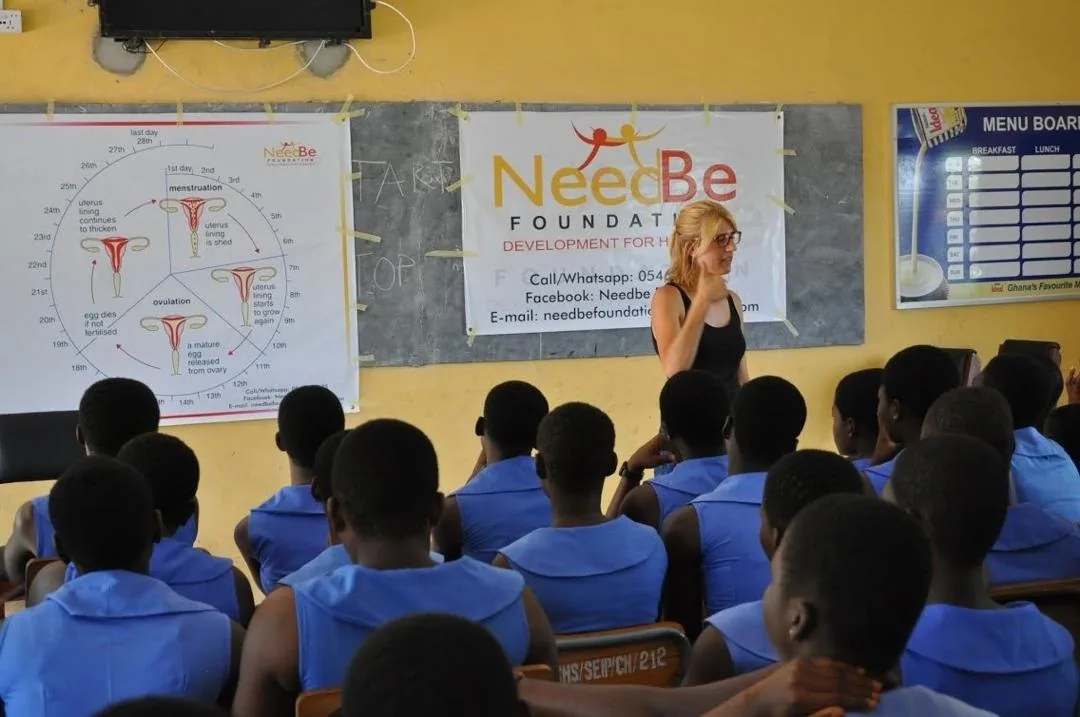
Held annually on May 28th in alignment with Global Menstrual Hygiene Day, our festival and community outreach have engaged schools and communities across Ghana since 2018, educating and supporting 1,425+ girls and women. Each year's festival serves as a localized summit, bringing together diverse stakeholders in a celebration of menstrual health and dignity.
Who Attends
The festival's strength lies in its diversity. Participants include:
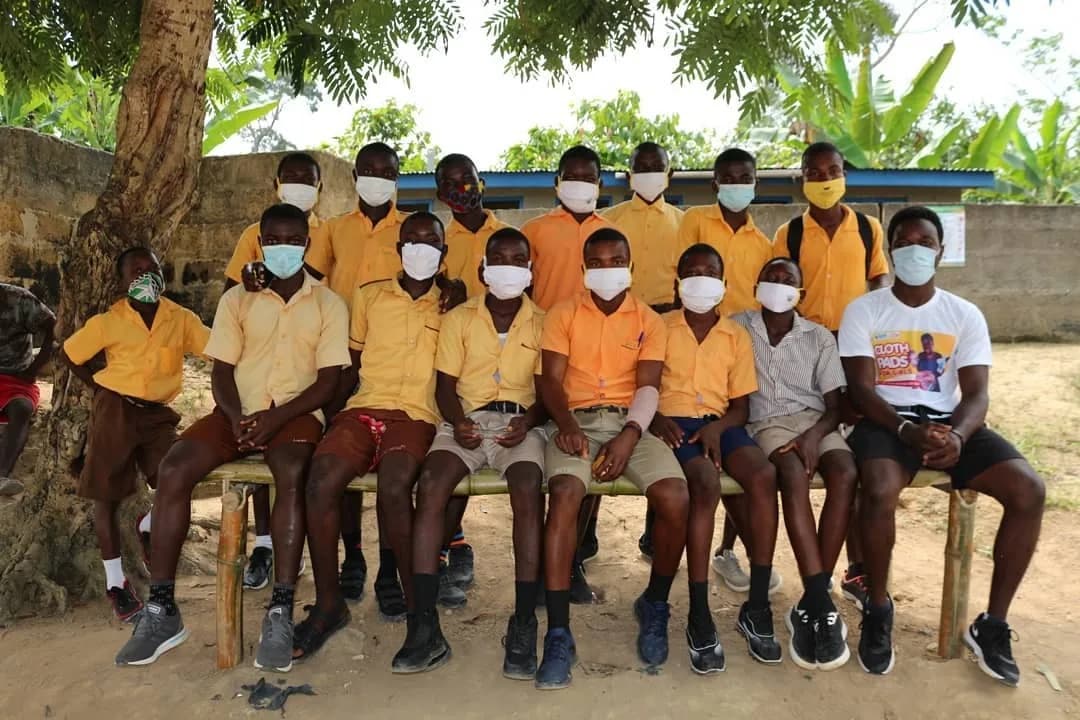
- ■Students from our partner schools (typically 800-1,000 young people)
- ■Teachers and school administrators committed to supporting student health
- ■Healthcare professionals providing information and services
- ■Parents and community elders learning alongside their children
- ■Local government officials including district health directors and education officers
- ■Traditional leaders and chiefs whose cultural authority helps legitimize the conversation
- ■NGO partners working in related fields
- ■Media representatives covering the event for television, radio, and print
- ■Corporate sponsors demonstrating social responsibility
This diverse attendance ensures that the festival's messages reach every sector of society, creating a multiplier effect that extends far beyond the event itself.
Festival Programming: A Day of Celebration and Education
The festival operates from 9:00 AM to 6:00 PM, packed with activities designed to educate, entertain, and inspire. The programming evolves each year based on participant feedback and emerging priorities.
Opening Ceremony: Setting the Tone
The festival opens with a vibrant ceremony featuring traditional drumming and dancing, immediately establishing that this is a celebration, not a somber health lecture. Local dignitaries, including chiefs and government officials, offer remarks that publicly validate the importance of menstrual health.
Interactive Health Zones: Learning Through Engagement
The festival features multiple themed zones where participants engage with health information through interactive experiences:
The Body Knowledge Zone:
- ■Anatomical models and interactive displays explaining reproductive health
- ■"Ask a Doctor" booths where participants can consult with gynecologists and nurses privately
- ■Health screening stations offering basic checks (blood pressure, BMI, anemia screening)
- ■Demonstrations of proper hygiene practices, including handwashing and pad changing
The Sustainability Pavilion:
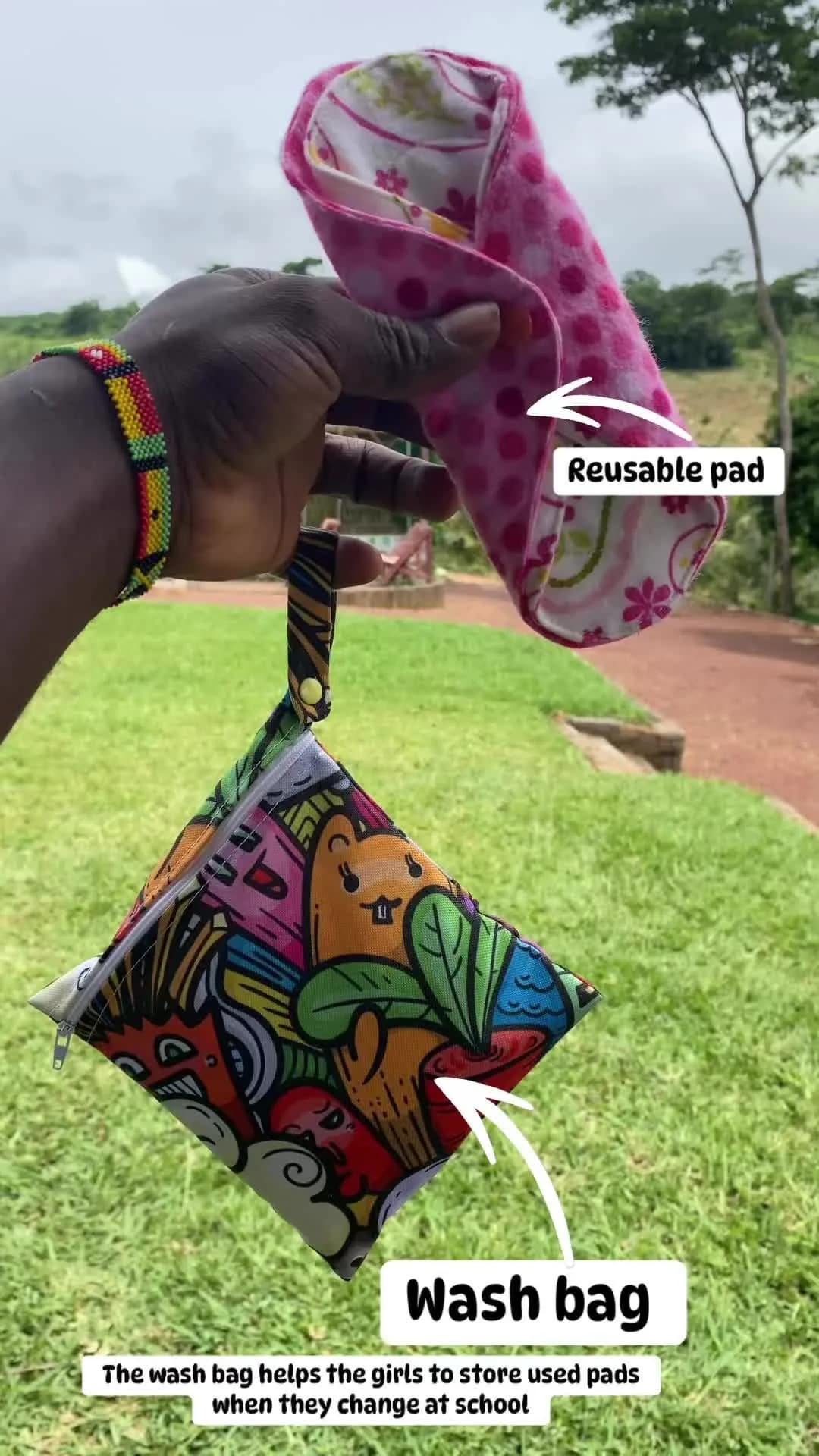
- ■Live demonstrations of NeedBe Reusable Pads production, showing how the pads are sewn and assembled
- ■Exhibitions comparing the environmental impact of disposable vs. reusable products
- ■Workshops teaching participants to make their own cloth pads
- ■Displays of innovative menstrual products from around the world
The Nutrition and Wellness Corner:
- ■Information about nutrition during menstruation (iron-rich foods, hydration)
- ■Cooking demonstrations of affordable, nutritious meals for menstruating girls
- ■Yoga and relaxation sessions teaching stress management techniques
- ■Fitness activities showing that exercise is healthy and beneficial during menstruation
Cultural Performances: Art as Advocacy
The festival's cultural programming is designed to challenge stigma through entertainment, using humor and storytelling to make difficult conversations accessible.
Theater and Drama: Local troupes perform plays addressing menstrual health using comedy to disarm defensiveness. "The Red Flower," following a girl's journey from shame to confidence, has been performed at 8 festivals.
Music and Dance: Traditional drumming and dance celebrate womanhood, reconnecting menstruation with cultural traditions of respect.
Spoken Word and Poetry: Youth perform original works about menstruation and body image, extending the festival's reach through social media.
Visual Arts: Local artists display works addressing menstrual themes. Our 2023 photography exhibition featured portraits of women holding menstrual products with pride.
Sports and Activities
Pad Relay Race: Teams carry pads through obstacle courses, making the event playful and competitive.
Football and Netball: Girls' teams compete throughout the day, challenging myths about menstruation and sports.
Yoga Sessions: Instructors lead poses that relieve cramps, normalizing conversations about menstrual discomfort.
Pad Fashion Show
Students design outfits incorporating sanitary pads, transforming a product associated with shame into creative expression. Winners receive prizes and calendar features. Schools now hold preliminary competitions to select representatives.
Panel Discussions
Youth Panel: Peer Educators share experiences and advocate for change.
Policy Dialogue: Officials discuss removing taxes on menstrual products and improving school sanitation.
Men's Forum: Fathers and community leaders explore how men can support menstrual health initiatives.
Healthcare Roundtable: Medical professionals discuss conditions like endometriosis and PCOS that often go undiagnosed.
Impact and Growth: Outreach by Year
Since 2018, our Menstrual Hygiene Festival and community outreach have partnered with schools, government institutions, NGOs, traditional authorities, and community leaders to provide menstrual health education and distribute reusable menstrual products to girls and women across Ghana.
Year-by-Year Outreach:
- ■
2018 — Adaklu Senior High School, Volta Region. Partner: NeedBe Foundation. 100 teenagers reached with menstrual health education and reusable sanitary pads.
- ■
2019 — Abokobi Presbyterian SHS & Teiman Anglican JHS, Greater Accra Region. Partner: NeedBe Foundation. 700 girls reached with menstrual health education and reusable sanitary pads.
- ■
2020 (September) — Adaklu Anfoe. Partner: Miss Adaklu Pageantry. 25 girls reached with menstrual health education and 250 reusable sanitary pads.
- ■
2021 — Savelugu, Northern Region. Partners: CAMFED Savelugu and the Orange Girl Foundation. 100 girls reached with menstrual health education and 500 reusable sanitary pads.
- ■
2021 — Waya. Partner: Waya JHS. 50 girls reached with menstrual health education and 300 reusable sanitary pads.
- ■
2022 — Betwease. Partners: Orange Girl Foundation and Betwease JHS. 100 girls reached with menstrual health education, 300 reusable sanitary pads, and 20 menstrual cups.
- ■
2023 — Dodowa, Greater Accra Region. Partner: Shai-Osudoku District Assembly Education Directorate (SODA). 100 girls reached with menstrual health education and 600 reusable sanitary pads.
- ■
2024 — Adaklu Kpodzi, Volta Region. Partner: Orange Girl Foundation. 100 girls reached with menstrual health education and 600 reusable sanitary pads.
- ■
2026 — Osuwem, Shai-Osudoku District. Partners: Paramount Queen of Shai-Osudoku, Osuwem RC JHS, and Dodowa TV. 150 girls and women reached with menstrual health education and 400 reusable sanitary pads.
Cumulative Outreach:
- ■Girls and women educated: 1,425+
- ■Reusable sanitary pads distributed: 2,950+
- ■Menstrual cups distributed: 20
- ■Communities engaged: 8 across multiple regions
Community Voices:
Ama's Father: "I was uncomfortable at first. But seeing hundreds talking openly made me realize how wrong I'd been. Now I buy pads for my daughter without embarrassment."
Nurse Patricia: "After the 2022 festival, we saw a 40% increase in young women seeking help."
Chief Togbe: "I watched my granddaughters gain confidence. Now I open every festival with a blessing."
Festival Operations
Planning: 6-month timeline covering venue booking, sponsor outreach, volunteer training, and logistics.
Requirements: Open space for 2,000+ people, stage, health screening areas, accessible facilities, security.
Budget: GHS 50,000 covering venue, performers, materials, food, and transportation subsidies.
Volunteers: 100+ volunteers manage registration, health zones, stage crew, and documentation.
Challenges: Weather disruptions, security planning, cultural resistance, and resource constraints. We address these through scheduling in drier months, coordinating with police, working with traditional leaders, and prioritizing high-impact activities.
Looking Forward
The festival continues to expand into new communities across Ghana. Satellite festivals extend reach to rural communities and the diaspora, building on the 1,425+ girls and women reached through outreach since 2018. Virtual integration, media coverage, and local partnerships drive policy change and community acceptance of menstrual health as a normal part of life.