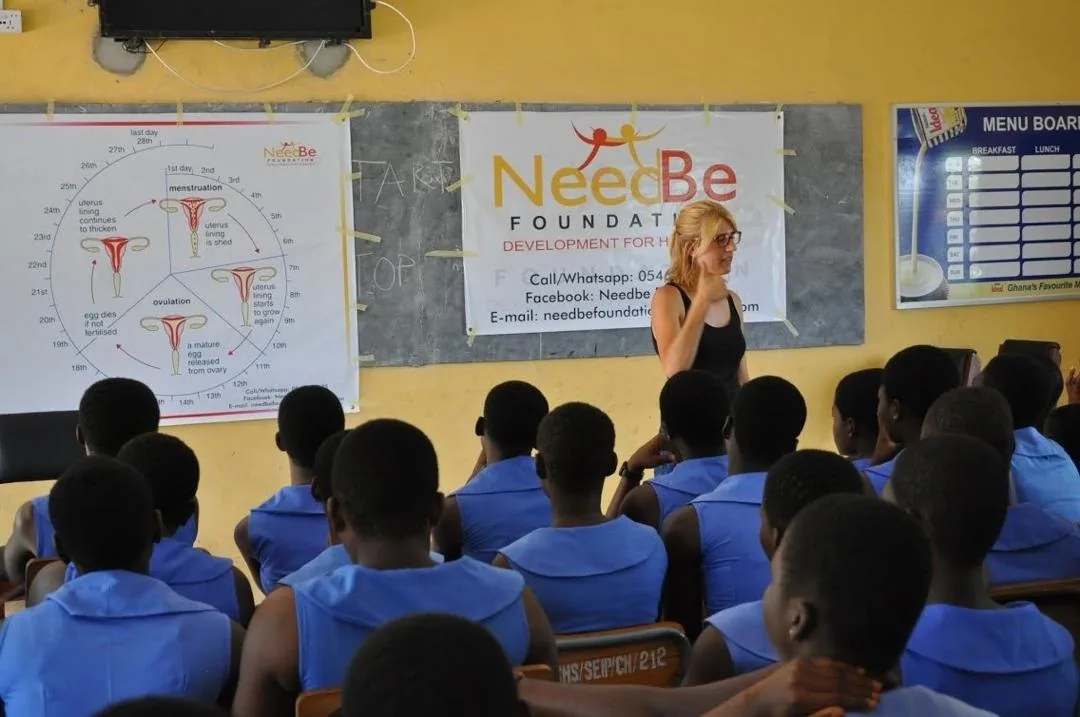
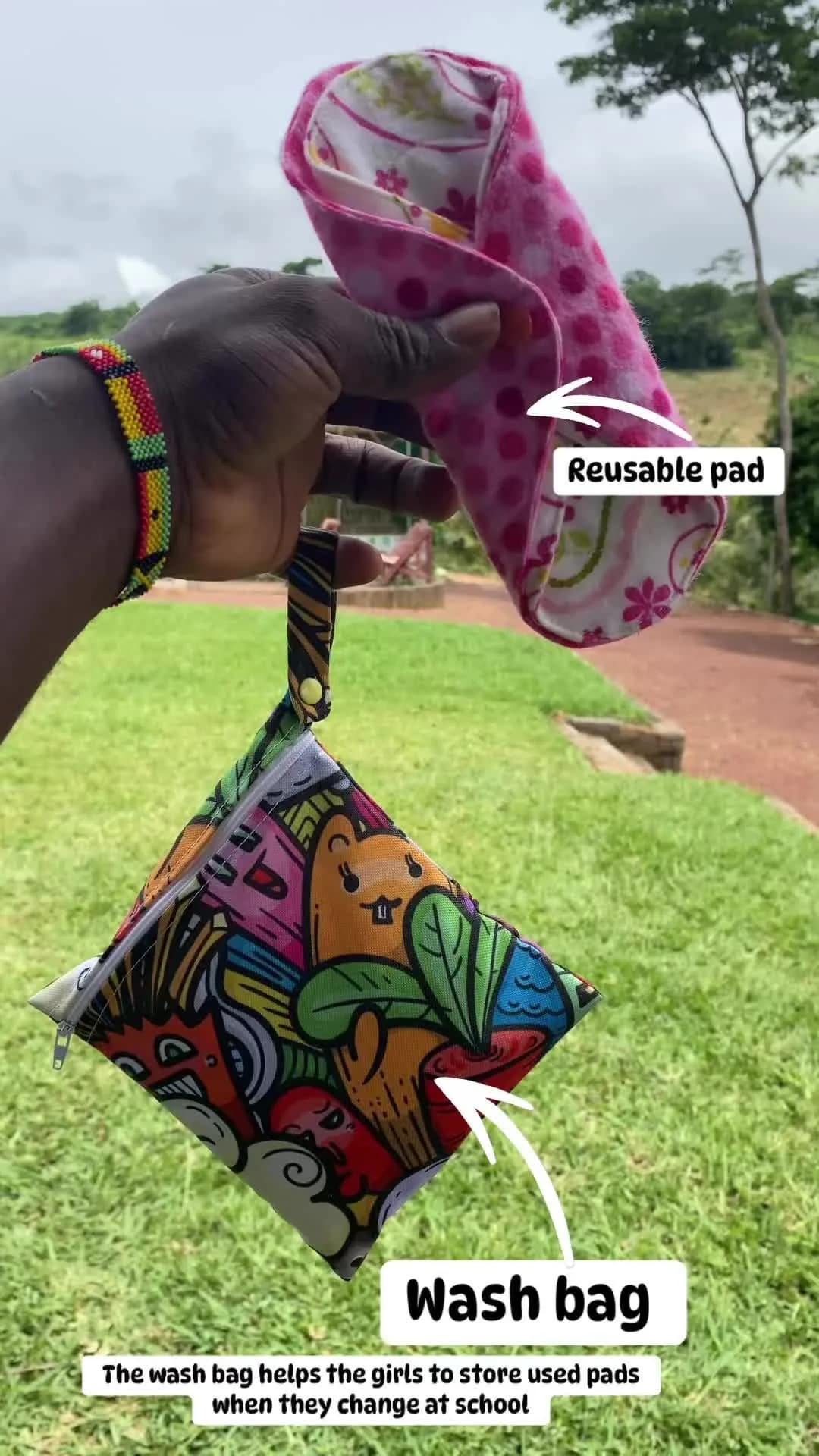
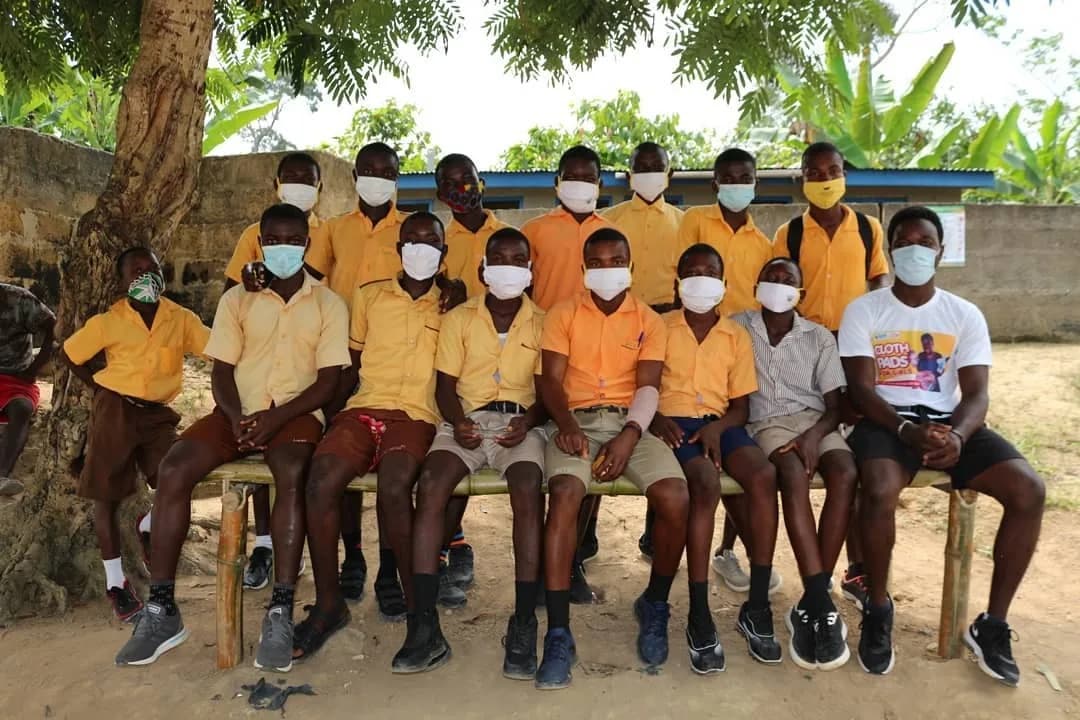
Homemade Pad Making Training
Training women in homemade pad production to create sustainable livelihoods.
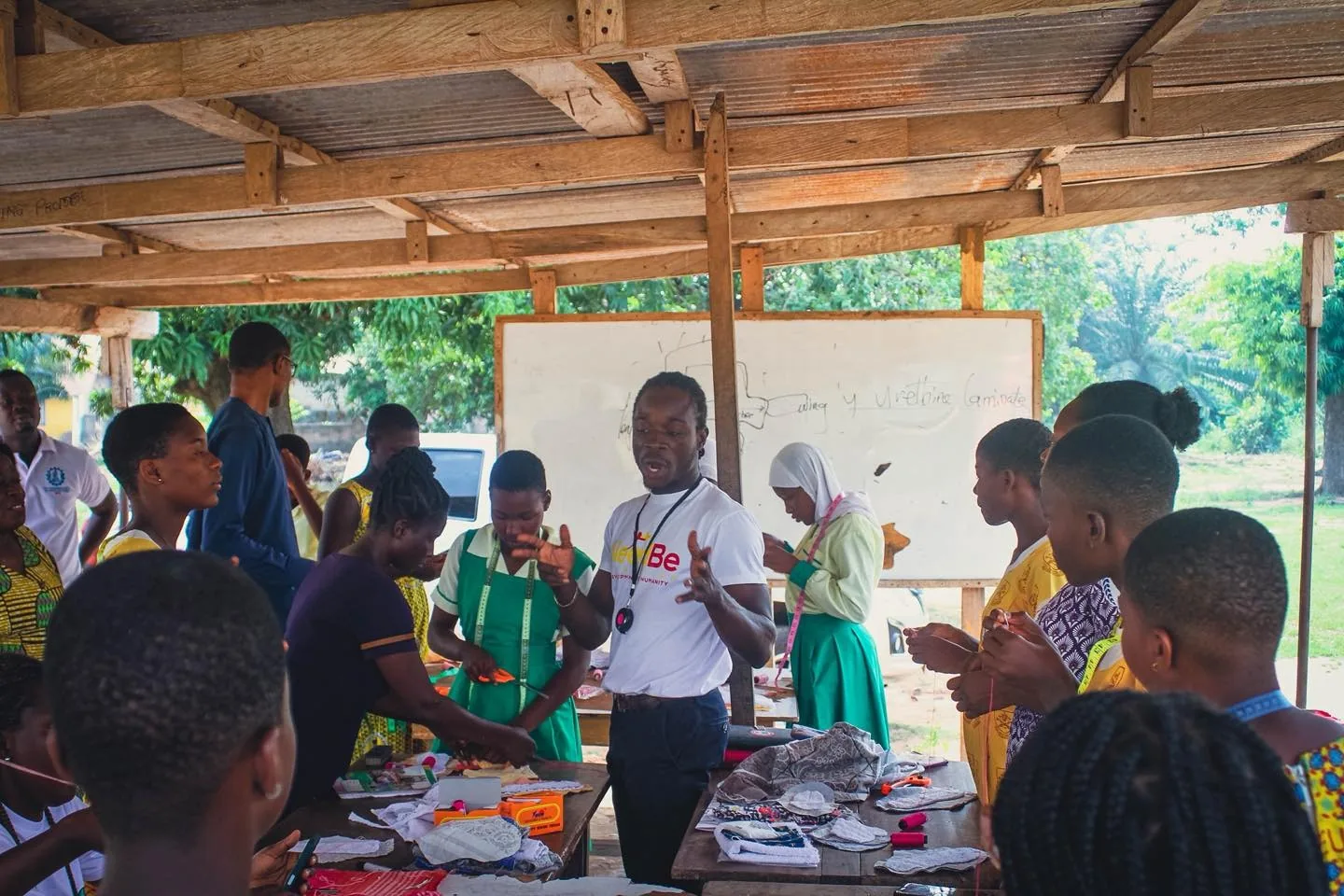
This program creates local supply security, income generation, transferable skills, and community resilience.
Training Program: 5-Day Workshop + 3-Month Mentorship
Module 1: Materials and Preparation
Women learn to source and prepare locally available materials:
Pad Components:
- ■Top layer: Cotton flannel—soft, moisture-wicking
- ■Absorbent core: Zorb, bamboo fleece, cotton terrycloth, or recycled towels
- ■Waterproof backing: PUL (best), nylon ripstop, or fused plastic bags
- ■Fasteners: Snap buttons, Velcro, or fabric ties
Preparation: Pre-washing fabrics, testing quality, and establishing vendor relationships.
Module 2: Pattern Making and Cutting
Three standard sizes:
- ■Regular (240mm): Light to moderate flow
- ■Heavy (300mm): Heavy flow or overnight
- ■Overnight/Maternity (350mm): Maximum coverage
Women create durable patterns and learn precision cutting techniques.
Module 3: Sewing and Assembly
Hand Sewing Techniques: Backstitch, whip stitch, slip stitch, and blanket stitch for professional finishing.
Machine Sewing: Straight stitch, zigzag stitch, and machine maintenance for those with access.
Assembly Steps:
- ■Prepare absorbent core (4-6 layers)
- ■Create top layer with finished edges
- ■Attach waterproof backing
- ■Assemble layers with secure seams
- ■Create wings and install fasteners
- ■Quality control: seams must withstand 100+ washes, absorbency standards met
Module 4: Finishing and Packaging
- ■Hygiene: Initial washing, sun-drying, proper storage
- ■Testing: Absorbency, wash durability (50+ cycles), comfort feedback
- ■Packaging: Cost-effective protection, labeling, attractive displays
Module 5: Business Skills
Pricing:
- ■Regular pad: GHS 8-12 (cost: GHS 4-5)
- ■Heavy pad: GHS 12-18 (cost: GHS 6-8)
- ■Set of 5: GHS 45-65 (cost: GHS 20-25)
Marketing: Word-of-mouth, social media, school partnerships
Management: Bookkeeping, inventory tracking, cooperative formation for shared resources
Impact
Economic:
- ■Monthly earnings: GHS 150-400 (30-70% income increase)
- ■Consumer savings: Handmade GHS 45-65 over 3 years vs. Commercial GHS 108-180
- ■Ripple effects for material suppliers and local markets
Health:
- ■Girls gain access to proper products instead of rags or leaves
- ■Reduced reproductive tract infections
- ■Increased school attendance
Social:
- ■Women's economic contribution increases household decision-making power
- ■Local production ensures supply during emergencies
- ■Challenges traditional gender roles
Success Stories
Akosua's Cooperative: A mother of four formed "Kpandai Women's Pad Makers" with four other trainees. Within one year, they produced 200+ pads monthly, each earning GHS 200-350. "My children see me as a businesswoman now. This training opened a door I didn't even know existed."
Grace: A 28-year-old widow started hand-sewing pads with local materials. Within six months, she saved enough to buy a sewing machine and doubled production. "When my husband died, I didn't know how I'd feed my children. Now I have a skill no one can take away—I am a provider."
Lydia: A trained seamstress contracted with three schools, delivering 50 pads monthly to each. School partnerships provide GHS 600 monthly stable income. She hired two assistants and expanded to commercial sales.
Pads Sewing Day
Pads Sewing Day is a practical skills programme that equips girls with the knowledge and hands-on experience to sew their own reusable sanitary pads. The initiative promotes menstrual dignity, sustainability, and self-reliance by teaching participants a lifelong skill.
Where We've Held It:
- ■
2022 — Ayikuma RC JHS, Greater Accra Region. 12 Junior High School girls received practical training on sewing reusable sanitary pads.
- ■
December 2024 — Aburi Community, Eastern Region. 12 teenage girls received practical training on sewing reusable sanitary pads.
Pads Sewing Day Impact:
- ■2 communities reached
- ■24 girls trained
- ■24 girls equipped with reusable pad-making skills
Program Evolution: From Training to Ecosystem
Our Homemade Pad Making Training program has evolved into a comprehensive support ecosystem for women's enterprise:
Program Evolution
Advanced Training: Machine Sewing Mastery, Business Expansion, Product Diversification, and Marketing workshops for graduates.
Supply Chain Support: Bulk purchasing cooperatives, material microfinance, connecting rural producers with urban suppliers.
Market Linkages: School partnerships, health center referrals, trade fair access, digital marketing training.
Cooperative Development: Governance training, collective marketing, risk sharing, and advocacy support.
Challenges and Solutions
Material Access: Teaching use of local alternatives, upcycling materials, creating starter kits for graduates.
Market Limitations: Encouraging cooperatives, low-cost marketing strategies, connecting with bulk buyers.
Technology Gaps: Emphasizing hand-sewing, community sewing centers, treadle machines for areas without electricity.
Quality Consistency: Rigorous training, follow-up visits, peer review systems, brand standards.
Cooperative Sustainability: Governance training, conflict resolution, diversification strategies, alumni mentorship network.
Looking Forward
Train-the-Trainer model enables exponential growth. Institutional partnerships integrate pad-making into vocational curricula. Program adaptations serve refugee camps and disaster-affected communities.
Microfinance: Partnerships providing production loans to address capital barriers.
Innovation: Developing simpler designs for beginners, premium options for experts, locally-grown material alternatives, and biodegradable waterproofing. E-commerce and SMS ordering systems for producers with smartphone access.
Impact Measurement: Tracking health outcomes, income improvements, school attendance changes, and gender norm shifts.
Conclusion
Skills-based empowerment creates sustainable change. When we teach a woman to make a pad, we give her transferable skills, confidence, and entrepreneurial experience. Every pad represents a girl who can attend school and a community moving toward self-sufficiency. Ghana moves closer to ending period poverty through sustainable enterprise—one homemade pad at a time.