Starting with 166 Girls: Our First Menstrual Health Project
Reflecting on how a small initiative in 2018 grew into a movement impacting over 2,000 girls.
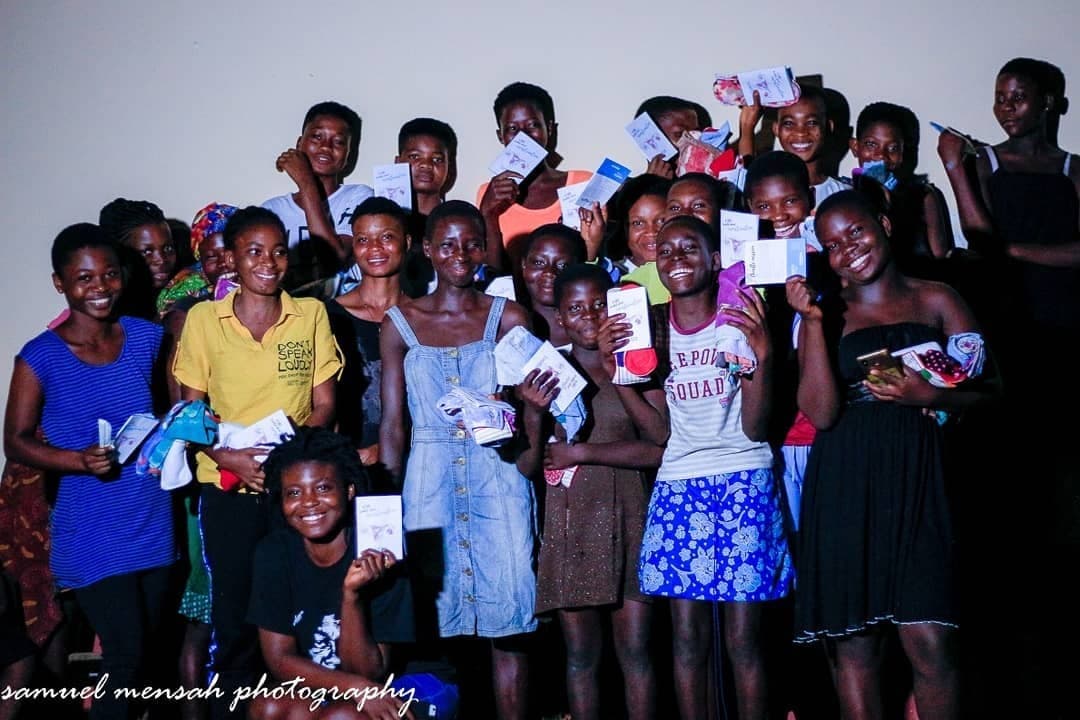
""From 166 girls in 2018 to 2,000+ today — every journey starts with a single step.""
Starting with 166 Girls: Our First Menstrual Health Project
Every massive movement can trace its origins back to a single, decisive moment of action. For the NeedBe Foundation's menstrual health advocacy, that moment occurred in July 2018. We launched our very first specialized menstrual health education project in the community of Adaklu Waya, nestled in the Volta Region of Ghana. Our ambitious goal at the time? To reach 166 girls across two schools.
The First Intervention
Our initial outreach targeted Adaklu Waya Senior High School, engaging 100 girls aged 16-23, and Waya E.P. Primary and Junior High School, engaging 66 girls aged 11-17. We didn't know exactly what to expect. Would the girls be receptive? Would community leaders resist?
The response was overwhelmingly positive, underscoring a desperate, unspoken need for this knowledge.
Cultivating a Model
During that foundational project, we developed the four-pillar approach that still defines our workshops today:
- Biological Education: Utilizing clear, engaging visual presentations on menstrual anatomy.
- Safe Dialogue: Creating judgment-free zones where girls could ask questions—often anonymously via "question boxes."
- Health Tracking: Distributing menstrual cycle tracking tools and teaching girls how to monitor their health over a three-month period.
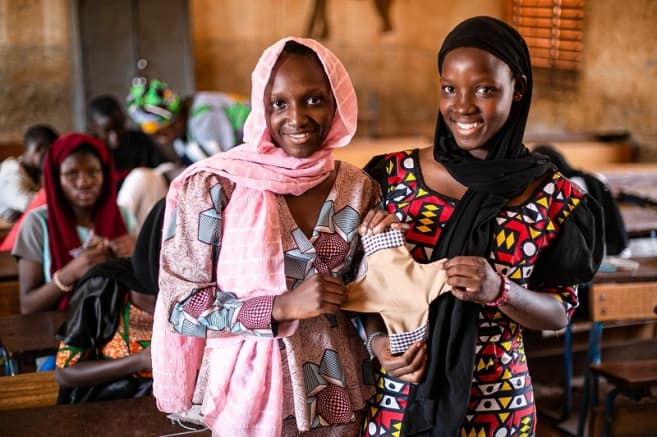
- Product Sustainability: Teaching the fundamentals of hygiene and the creation of basic, homemade reusable sanitary products.
Scaling the Impact
That pilot project proved beyond a shadow of a doubt that our intervention model worked. The absentee rates dropped, and classroom participation soared.
From that seed of 166 girls in two schools, the NeedBe Foundation has grown exponentially. Today, we have directly impacted over 2,000 girls across more than a dozen educational institutions. The young women who attended those first workshops are now in their early twenties. Many of them have returned to their communities as peer educators, while others have been inspired to pursue careers in healthcare and nursing.
A Legacy of Courage
As we celebrate our growth, we remain deeply indebted to those first 166 girls. Their courage to ask difficult questions, challenge age-old myths, and fiercely embrace knowledge laid the very groundwork for the thousands who have followed. It is a brilliant reminder that authentic, lasting change does not require starting massive—it only requires starting.